Find a Men's Issues Therapist in Arizona
This page lists therapists in Arizona who focus on men's issues, including relationship challenges, stress management, transitions to fatherhood, and identity concerns. Browse the listings below to compare specialties, approaches, and availability in Phoenix, Tucson, Mesa and other communities.




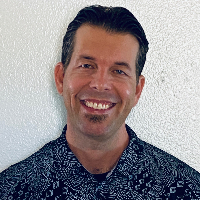






Chantelle Okoye
LPC
Arizona - 13 yrs exp













How men's issues therapy works for Arizona residents
When you seek therapy for men's issues in Arizona, the process typically begins with an initial assessment to understand your concerns, history, and goals. That assessment can take place in an office in Phoenix, Tucson, Mesa or another city, or through a virtual appointment if you prefer online sessions. The therapist will ask about your current stresses, relationships, work life, and coping patterns, and then collaborate with you to create a plan that fits your priorities. Sessions may focus on building practical coping skills, exploring underlying feelings, improving communication, or addressing life changes like parenthood, career shifts, or loss. Therapy is a process - individual pacing and methods will be adapted to your needs and the cultural context of the community where you live.
Finding specialized help for men's issues in Arizona
Men's issues encompass a range of concerns that can include anger or impulse control, difficulty expressing emotions, relationship struggles, fatherhood and parenting challenges, grief, performance pressure, and identity or sexuality questions. In Arizona, you can look for clinicians who list these specialties on their profiles and who indicate experience working with men across different life stages. Urban areas such as Phoenix and Mesa often have a wider selection of therapists with niche training, while smaller communities may have clinicians who blend general mental health work with expertise in men's concerns. If cultural background matters to you - for example if you prefer a therapist familiar with Hispanic, Native American, military, or faith-related perspectives - check profiles for stated cultural competence or relevant experience. Licensing credentials are important to confirm - therapists in Arizona hold credentials such as Licensed Professional Counselor or Licensed Clinical Social Worker - and you can ask about post-graduate training, continuing education, and supervised experience relevant to men's issues.
What to expect from online therapy for men's issues
Online therapy is widely available across Arizona and can be a convenient option if you have a busy schedule or live outside major population centers. You can expect to connect via video or phone at scheduled times, and many therapists also offer messaging for brief check-ins between sessions. The structure of online therapy mirrors in-person work - an intake appointment, agreed goals, and regular sessions - but there are some practical differences. You will want to find a quiet, comfortable environment at home or elsewhere where you can speak openly without interruption. Before starting, confirm the therapist's policies on appointment length, platform usage, fees, cancellations, and how they handle records and privacy. Online therapy can make it easier to access specialists who are not located in your city, so you might find clinicians with particular expertise in men's issues even if they are based in another part of the state. For residents in Tucson or Chandler, virtual options can broaden available choices and reduce travel time.
Common signs that someone in Arizona might benefit from men's issues therapy
You may consider reaching out for support if you notice persistent patterns that interfere with daily life or relationships. These signs can include increased irritability or anger that feels hard to control, frequent arguments with partners or family, trouble expressing emotions or a sense of emotional numbness, difficulty adjusting to new roles such as becoming a parent or caring for aging parents, or feeling isolated and withdrawn from friends. Work-related stress that affects sleep or concentration, reliance on alcohol or other substances to cope, or recurring relationship patterns that you want to change are also reasons many men seek therapy. You do not need to wait until a problem becomes severe - early support can help you develop tools to manage stress, strengthen relationships, and navigate transitions with more clarity.
Tips for choosing the right therapist for men's issues in Arizona
Start by identifying what matters most to you - whether it is a therapist with experience in couples work, trauma-informed care, issues related to masculinity, or support for new fathers. Use therapist profiles to narrow options based on approach and background, and pay attention to whether they mention experience working with populations similar to yours. Consider practical fit as well - session times that match your schedule, whether they offer in-person appointments in Phoenix, Tucson, Mesa or other cities, and decisions about fees and insurance. When you contact a therapist for the first time, it is useful to ask about their training, how they typically work with men, what a typical session looks like, and how progress is measured. Trust and rapport are central - if you do not feel heard in the first few visits, it is reasonable to try another clinician until you find one where you feel comfortable opening up.
Questions you can ask during a first call
On an initial call you might ask about the clinician's experience with men's issues, the therapeutic approaches they use, and how they handle privacy and record-keeping. Ask how they structure sessions and what kind of homework or skill practice they recommend between visits. It can be helpful to inquire about typical timeframes for seeing change and how they will involve you in setting measurable goals. If cultural factors or identity issues matter to you, ask about their experience working with specific communities, and whether they have additional training relevant to your background.
Practical considerations for Arizona clients
Logistics matter when you decide to begin therapy. Confirm whether a therapist accepts your insurance or offers a sliding scale if cost is a concern. If you prefer in-person work, choose a location that minimizes travel stress - larger metro areas like Phoenix and Mesa offer many options, while residents of more rural parts of Arizona may prefer virtual sessions. Know the cancellation and rescheduling policies before committing, and check whether the therapist provides resources or referrals for specialized services such as couples counseling, substance use support, or psychiatric consultation for medication management if that becomes relevant. If you are coping with an urgent crisis, contact local emergency services or a crisis line rather than waiting for an appointment.
Making the most of therapy
Therapy is most effective when you come with a willingness to reflect and try new approaches. Be open with your therapist about what does and does not feel helpful, and collaborate on setting realistic, measurable goals. Many men find benefit in combining individual work with group therapy or workshops that focus on communication, stress management, or fatherhood skills. Over time, therapy can help you build tools to manage difficult emotions, improve relationships, and make choices that align with your values. Whether you live in Phoenix, Tucson, Mesa, Scottsdale, Chandler or another Arizona community, professional support can be a practical step toward greater wellbeing and more satisfying connections in your life.
Next steps
When you are ready, use the listings above to compare clinicians, read profiles, and reach out to schedule an introductory conversation. A brief phone or video call can help you gauge fit and clarify logistics before booking a first session. Choosing the right therapist is a personal decision, and taking that first step is an important move toward addressing the concerns that brought you here.