Find an LGBT Therapist in Arizona
This directory page helps you find therapists in Arizona who specialize in LGBT issues, offering both in-person and online counseling. Explore listings for clinicians who work with gender identity, sexual orientation, relationships, and family concerns. Browse the profiles below to find a good match for your needs.


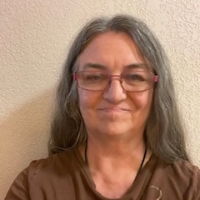



John Swearengin
LPC
Arizona - 40 yrs exp















How LGBT therapy typically works for Arizona residents
When you begin LGBT-focused therapy in Arizona, the process often starts with an initial consultation to understand your goals and current concerns. That first conversation may take place by phone, video, or in the therapist's office in Phoenix, Tucson, Mesa or another community. During early sessions you and the clinician will discuss what brought you to therapy, any immediate stressors, and your longer-term hopes for change. Many therapists gather background about your relationships, identity development, family reactions, and past treatment, and then collaborate with you to set realistic and measurable goals.
Therapists who list LGBT as a specialty usually integrate approaches that are responsive to identity-related stress, minority stress, and the unique relationship dynamics queer people face. You can expect a focus on understanding how social pressures, stigma, and navigating disclosure influence your mental health and day to day functioning. Sessions are designed to be paced according to your comfort and can include skill-building, supportive exploration, processing of trauma, and practical problem solving for situations like coming out or relationship transitions.
Finding specialized help for LGBT needs in Arizona
Searching for a therapist who is experienced with LGBT issues means looking beyond a general description and paying attention to the language they use. Many Arizona clinicians will indicate that they are affirming of sexual orientation and gender diversity and will describe specific populations they work with - for example, trans and nonbinary clients, people exploring their orientation, couples, or families. Your city can shape availability - larger metropolitan areas such as Phoenix and Tucson tend to offer a wider range of specialties, while towns farther from urban centers may have fewer in-person options but growing online availability.
If you are in Mesa or another suburb, consider expanding your search to nearby neighborhoods or using online sessions to access a clinician whose training matches your needs. You may also want to look for therapists who list additional competencies like trauma-informed care, adolescent development, or couples therapy, depending on your situation. Credentials such as licensed professional counselor, licensed clinical social worker, or psychologist show clinical training, and many clinicians also pursue continuing education specifically in LGBTQ+ cultural competency and affirmative practices.
What to expect from online LGBT therapy
Online therapy can be a practical choice in Arizona given the state's broad geography and the distribution of providers. When you choose telehealth, you can access clinicians who specialize in LGBT issues without traveling long distances. Online sessions typically use video platforms that allow face-to-face interaction and mirror many elements of in-person work - assessment, therapeutic conversation, homework between sessions, and progress review. Some therapists blend in-person and virtual sessions, which can be useful if you need occasional face-to-face meetings or live in an area like Phoenix where both are available.
To get the most from online therapy, prepare a comfortable environment where you can talk freely without interruptions. Consider the privacy of the room and whether you have reliable internet and a device that supports video. You should also ask about the clinician's experience delivering telehealth and how they handle emergencies or situations when you might need immediate support. Many therapists will explain their session format, cancellation policies, fees, and how to schedule, so you can decide whether their approach fits your expectations.
Common signs you might benefit from LGBT-focused therapy
You might consider seeking LGBT-focused therapy if you notice persistent feelings that interfere with daily life - for example, ongoing anxiety, low mood, or difficulty concentrating related to identity questions or social stress. If you are struggling with coming out, facing rejection from family or friends, or navigating changes in your relationships, a therapist can help you process emotions and create plans for conversations or transitions. Relationship conflict, whether in dating, long-term partnerships, or family dynamics, is another common reason people explore specialized counseling.
Young people discovering their identity and older adults dealing with late-life changes can both benefit from focused support. You may also notice physical symptoms like disrupted sleep, changes in appetite, or persistent fatigue that accompany emotional distress. If you feel isolated from community, have experienced discrimination, or are coping with trauma related to your identity, finding a therapist with LGBT expertise can provide an informed space to work through those experiences and develop coping strategies.
Tips for choosing the right LGBT therapist in Arizona
Start by clarifying what you want from therapy - practical coping skills, longer-term exploration of identity, couples work, or support during a life change. Once you know your priorities, look for clinicians who explicitly state experience with those areas and who use language that feels affirming to you. If you live in Phoenix, you might have many local options and can request an initial in-person meeting. If you live outside larger cities, consider clinicians who offer robust telehealth services and who have experience working with clients across Arizona.
Call or email potential therapists to ask about their experience with LGBT clients, their therapeutic approach, and what a typical session looks like. Ask about logistics - session length, fees, sliding scale availability, and whether they accept your insurance. It is reasonable to ask about how they approach work with trans or nonbinary clients if that is relevant to you, or how they support couples with differing orientations or family acceptance issues. Trust your instincts about rapport and communication style; the feeling of being heard and respected in that first contact is often a strong indicator of a good fit.
Working with partners, families, and communities
Therapy can extend beyond individual sessions to include couples work or family sessions when needed. If you are navigating disclosure with loved ones or working through relationship repairs, look for clinicians who incorporate relational strategies and who are comfortable facilitating conversations among multiple people. In cities like Tucson and Mesa there are clinicians who specialize in couple therapy for LGBT relationships, while Phoenix often has clinics that offer a broader range of family-oriented services. Your therapist can help you plan conversations, manage expectations, and build skills for ongoing communication.
Practical next steps and what to bring to your first session
Before your first appointment, think about the main issues you want to address and any recent events that feel important. Some people find it helpful to jot down goals or questions beforehand. Have a sense of your availability and whether you prefer evenings or daytime hours, and check whether the therapist offers in-person sessions near your area or remote appointments. Bring any relevant medical or treatment history if you think it will help the clinician understand your context, and be prepared to discuss what has or has not helped you in the past.
Beginning therapy is a personal decision and finding the right clinician can take time. It is normal to try one or two therapists before you discover the right match. As you look through the profiles on this page, consider location, experience, approach, and scheduling compatibility. Whether you are in a busy neighborhood of Phoenix, a college area in Tucson, a suburb like Mesa, or somewhere else in Arizona, there are clinicians who specialize in LGBT care and who can partner with you on the path forward.
Making an informed choice
Your needs will change over time and a good therapist will reassess with you periodically. If something is not working for you, bring it up with your clinician or explore other options listed here. Therapy can help you build skills to manage stress, strengthen relationships, and explore identity in a way that fits your life in Arizona. When you are ready, use the listings below to contact providers, read profiles, and set up an initial consultation to see who feels like the right fit for your journey.