Find a Post-Traumatic Stress Therapist in Alaska
This page features therapists across Alaska who specialize in post-traumatic stress support and trauma-informed care. Listings include clinician profiles, treatment approaches, and options for in-person and online work across Anchorage, Fairbanks, Juneau, and beyond.
Browse the listings below to review qualifications and contact information to help identify the right fit for local or remote care.




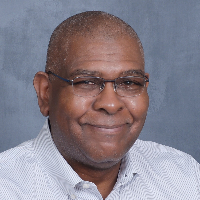

Dr. Michael Vigil
LPC
Alaska - 11 yrs exp











How post-traumatic stress therapy works for Alaska residents
Therapy for post-traumatic stress typically begins with a careful assessment of current symptoms, history of traumatic events, and the goals you want to pursue. In Alaska, clinicians adapt these assessments to local needs and circumstances, taking into account the environment you live in - whether that is an urban neighborhood in Anchorage, a campus in Fairbanks, or a coastal community near Juneau. A clinician will work with you to develop a treatment plan that identifies short-term goals, safety planning, and longer-term strategies for managing reminders, stress responses, and daily functioning.
Approaches often combine talk-based work with skills training to manage stress and emotional reactions, along with trauma-focused strategies that help you process and reduce the intensity of traumatic memories. Sessions may include preparing for triggers, building grounding practices, and practicing coping skills between appointments. Therapy is collaborative - you and the clinician decide pacing, methods, and how to involve family or other supports when appropriate.
Finding specialized help for post-traumatic stress in Alaska
When searching for a therapist who focuses on post-traumatic stress, look for clinicians who list trauma-focused training and experience working with similar concerns. In Alaska, specialized help may be available through private practices, community mental health centers, university training clinics, and organizations that serve veterans or indigenous communities. Many clinicians will note work with specific populations, such as first responders or military families, which can be helpful if you want someone familiar with those experiences.
Because Alaska covers a large geographic area, options in Anchorage will often include a wider range of specialties and modalities, while Fairbanks and Juneau may have smaller but highly skilled teams. If you live in a rural or remote area, consider therapists who offer online sessions or clinicians who travel to regional hubs. It can also be useful to search for providers who emphasize cultural responsiveness and who understand the local history and community dynamics, particularly when working with Alaska Native individuals and families.
What to expect from online therapy for post-traumatic stress
Online therapy in Alaska can increase access to professionals who specialize in post-traumatic stress, especially for those outside major cities. Sessions generally take place over video or phone and follow a similar structure to in-person visits - check-ins about symptoms, skill-building exercises, trauma-focused processing when appropriate, and homework between sessions. You should plan to be in a quiet, comfortable environment where interruptions are minimized so that you can focus on the work and feel at ease during emotional moments.
Before starting online work, confirm practical details such as how sessions are scheduled, typical length and frequency, fees, and what to do in case of a crisis. Ask the clinician about their experience delivering trauma-focused care remotely and how they handle safety planning when clients are not in the same physical location. In some cases, therapists blend online and in-person sessions so you can have face-to-face meetings when possible and virtual check-ins when travel or weather make attending in person difficult.
Common signs that someone in Alaska might benefit from post-traumatic stress therapy
Several experiences and changes in daily life may indicate that therapy could help. Recurrent intrusive memories or flashbacks of a traumatic event, or frequent nightmares that disrupt sleep, can make it difficult to function at work or in relationships. You might notice persistent efforts to avoid reminders of what happened - places, conversations, or activities that once felt normal - or a heightened sense of alertness and jumpiness that wears you down. Changes in mood such as persistent sadness, anger, or feeling emotionally numb are also common reasons people seek support.
Other signs include difficulty concentrating, strained relationships, increased use of alcohol or substances to cope, and feeling disconnected from community or cultural practices that once offered comfort. If any of these experiences are making daily life harder, reaching out to a qualified clinician can help clarify options and create a plan tailored to your needs and local circumstances in Anchorage, Fairbanks, Juneau, or other parts of Alaska.
Tips for choosing the right therapist for post-traumatic stress in Alaska
Choosing a therapist is a personal process and it is okay to take time to find a good match. Start by considering clinical credentials and training in trauma-focused approaches that are relevant to your needs. You might look for professionals who mention specific trauma-informed modalities or who describe experience working with similar populations. It is also helpful to review how a clinician approaches care - some emphasize skills-based stabilization first, while others may specialize in memory processing techniques. Think about your own preferences for structure, intensity, and whether you want an in-person or virtual option.
Consider practical factors like location, availability, insurance or payment options, and whether evening or weekend appointments are offered. For many Alaskans, the ability to access telehealth is a major advantage, but you should still ask about backup plans in case technology fails or an emergency arises. Cultural fit matters too - seek clinicians who demonstrate respect for local communities and who will collaborate with any support networks you have, such as family members, community leaders, or health care providers.
If you are connected to veteran services, university programs, or workplaces that offer employee assistance, these can be additional routes to find specialists. When in doubt, schedule a brief consultation call to ask about experience with post-traumatic stress, typical session structure, and what initial steps might look like. That conversation often gives a clear sense of whether a therapist's approach feels right for you.
Moving forward with care in Alaska
Getting started can feel like a big step, but many people find that an initial appointment helps them understand next steps and reduces uncertainty. Whether you choose a clinician in Anchorage, a practitioner who works with clients in Fairbanks or Juneau, or a therapist who offers statewide online care, the key is finding someone whose experience and approach fit your needs. Use the listings above to compare profiles, check credentials, and reach out to clinicians for introductory conversations. Taking that first step can open a path to strategies and support tailored to living well in Alaska's unique environment.
If immediate support is needed, consider contacting local crisis resources or community health services that can offer short-term assistance while longer-term care is arranged. When you are ready, the directory listings below are a practical place to begin reviewing therapists who focus on post-traumatic stress and trauma-informed care across the state.