Find an OCD Therapist in Alaska
This page connects you with therapists who specialize in obsessive-compulsive challenges across Alaska. You will find clinician profiles for those serving Anchorage, Fairbanks, Juneau, and other communities. Browse the listings below to compare specialties, approaches, and contact options.
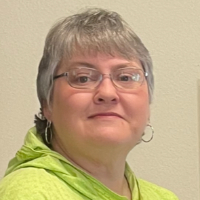
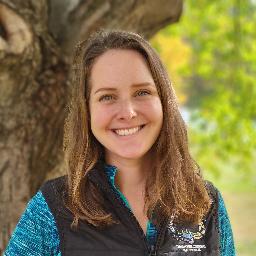


How OCD therapy typically works for Alaska residents
If you are seeking help for obsessive thoughts or repetitive behaviors, therapy usually begins with an initial consultation to discuss your concerns, history, and goals. Therapists will gather information about how symptoms affect your daily life, sleep, work, school, or relationships. From there you and your clinician develop a plan that fits your needs and the realities of living in Alaska, whether that means in-person appointments in a city clinic or ongoing sessions online. Expect a collaborative process - you and the therapist set goals, review progress, and adapt strategies as you go.
Evidence-based approaches
The most commonly used methods for working with obsessive-compulsive patterns include cognitive-behavioral strategies, with a focus on exposure and response prevention. These approaches aim to help you face distressing thoughts or situations with guidance so you can reduce ritualized responses over time. Therapists often combine these techniques with education about how obsessive and compulsive patterns develop and with supportive skills for managing anxiety. In Alaska, clinicians may also incorporate adaptations that consider local lifestyle, seasonal changes, and accessibility of resources.
Finding specialized help for OCD in Alaska
When you search for a therapist in Alaska, look for clinicians who list OCD, obsessive thoughts, or exposure work among their specialties. Many therapists in Anchorage, Fairbanks, and Juneau advertise specific training or certifications in evidence-based methods, and you can often find information about their clinical focus in their profiles. If you live outside of these cities, online options widen the available pool of specialists and make it easier to work with someone who has deep experience treating OCD. You can also ask local mental health clinics or community health centers for recommendations, and some clinicians offer brief initial consultations so you can decide if their style feels like a good fit.
Practical considerations for rural and small-town residents
Alaska has many rural communities where access to mental health specialists can be limited. If you live in a smaller town, you may rely on clinicians based in Anchorage, Fairbanks, or Juneau who provide teletherapy. Transportation, weather, and seasonal demands can affect how you schedule care, so plan sessions at times that reduce travel stress and account for daylight variations. Some therapists also provide occasional in-person intensives or local workshops; asking about these options can help you combine remote work with concentrated in-person support when possible.
What to expect from online therapy for OCD
Online therapy has become widely used and can be well suited to OCD work when you and your therapist coordinate treatment goals and homework tasks. You should expect structured sessions that focus on exposure exercises, cognitive techniques, and practical skills you can practice between meetings. Your therapist will explain how virtual sessions will handle activities like in-session exposures and may assign exercises you do at home. Reliable internet access and a quiet place to talk make virtual work smoother, and many clinicians offer flexible scheduling to accommodate Alaska’s time zone and seasonal routines.
Clinicians will discuss personal nature of sessions practices and how they handle emergencies, and you should ask about local resources in your community if you need immediate support. If you prefer a face-to-face option, therapists in Anchorage, Fairbanks, and Juneau may offer in-person sessions, while teletherapy expands options for those in remote areas. Both formats can be effective when you and your therapist have a clear plan and consistent communication.
Common signs that someone in Alaska might benefit from OCD therapy
If obsessive thoughts or compulsive behaviors interfere with your work, school, family life, or personal routines, reaching out for help can be a constructive step. You might notice that intrusive thoughts are frequent and distressing, that you perform rituals to relieve anxiety even when you do not want to, or that these habits take a lot of time each day. You may also experience avoidance of places or situations because of fears tied to obsessive ideas, or find that checking, counting, cleaning, or mental rituals are consuming your energy and attention. These patterns are often more manageable with a therapist who understands OCD and can guide you through specific strategies.
It is also common for symptoms to intensify during periods of stress, life transitions, or after significant changes in routine. In Alaska, seasonal changes, relocation between cities like Anchorage and Fairbanks, or shifts in work schedules can all affect how symptoms present. If your symptoms have grown harder to handle or have started to limit activities you once enjoyed, that is a clear reason to explore treatment options.
Tips for choosing the right OCD therapist in Alaska
First, consider clinical training and experience. Look for practitioners who mention experience with obsessive-compulsive patterns, exposure work, or cognitive-behavioral approaches. You may want to ask about the therapist’s caseload, how often they work with OCD specifically, and whether they have additional training in techniques used for obsessive-compulsive issues. Second, think about logistics - whether you need evening appointments, weekend availability, or someone who can provide teletherapy across Alaska’s time zones. Verify whether the clinician works with clients in your location and how they handle scheduling during holidays and seasonal events.
Third, evaluate fit. The relationship with your therapist matters; you should feel understood and respected. Many therapists offer a short consultation or phone call so you can get a sense of their style and ask about their approach to exposures and homework. Use that time to ask how they measure progress, how they adapt treatment when symptoms fluctuate, and what a typical session looks like. Fourth, clarify practical details - fees, cancellation policies, and whether they accept your insurance or offer sliding scale rates. Cost and coverage are important considerations in choosing ongoing care.
Working with local culture and community
Choosing a therapist who understands Alaska’s culture and the rhythms of life in cities like Anchorage, Fairbanks, or Juneau can make therapy more relevant. You might prefer a clinician who has experience working with people in similar communities or who is familiar with the unique stressors and supports in your area. If you rely on community connections, ask if the therapist collaborates with local providers or can recommend resources for crisis support, peer groups, or educational workshops.
Getting started
Begin by reviewing profiles and noting therapists whose specialties and approaches match your needs. Reach out to schedule a consultation so you can ask about their experience with OCD, what treatment might look like for you, and whether they provide in-person sessions in Anchorage, Fairbanks, or Juneau, or remote care across the state. Prepare a few questions about their methods, availability, and how they track progress. Starting care can feel like a big step, but gathering information and comparing a few clinicians can help you find someone who aligns with your goals and lifestyle.
Finding the right OCD therapist in Alaska may take time, but many people find that structured therapy tailored to their daily life brings noticeable benefits. Whether you prefer in-person sessions in a city clinic or teletherapy that connects you with specialists statewide, clear communication and a collaborative approach will help you make the most of treatment.