Find a Mood Disorders Therapist in Alaska
This page highlights therapists across Alaska who focus on mood disorders, including depression and bipolar spectrum conditions. Listings include clinicians in Anchorage, Fairbanks, Juneau and other communities, with information on specialties and treatment approaches. Browse the listings below to compare profiles and contact options.
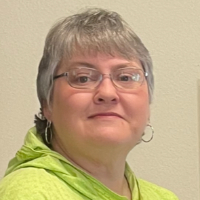





Dr. Michael Vigil
LPC
Alaska - 11 yrs exp







How mood disorders therapy works for Alaska residents
When you seek help for mood-related concerns in Alaska, therapy usually begins with an assessment to understand your history, current symptoms, and goals. That assessment helps a clinician develop a care plan that fits your life - whether you live in a city neighborhood in Anchorage, near the rivers of Fairbanks, or in a smaller coastal community. Sessions may focus on symptom management, learning coping strategies, improving daily routines, and addressing relationships or life stressors that affect your mood.
Therapists often use evidence-informed approaches such as cognitive-behavioral techniques, interpersonal methods, and behavioral activation to help you identify unhelpful patterns and build practical skills. Many clinicians coordinate care with other health providers when medication consultation or medical evaluation is helpful. You should expect a collaborative process where your feedback shapes the pace and focus of work.
Assessment and treatment planning
Your first few visits typically involve a detailed conversation about what has been happening for you, how your emotions affect your day-to-day functioning, and any medical or family history that matters. From there your therapist will propose a plan for sessions - including frequency, likely length of work, and goals to measure progress. Because mood symptoms can fluctuate with seasons, stress, and life changes, plans are often adjusted over time to stay relevant to your needs.
Finding specialized help for mood disorders in Alaska
Finding a therapist who specializes in mood disorders means looking for clinicians who list depression, bipolar-related symptoms, mood regulation, or affective conditions among their areas of focus. In urban centers like Anchorage and Juneau, you may find a wider range of specialties and therapy styles. In Fairbanks and rural areas, clinicians might offer broader practice scopes and often use telehealth to reach clients across long distances. Consider looking for experience with mood-related work, training in relevant therapies, and familiarity with the unique aspects of living in Alaska - including the impact of seasonal light changes and remote living.
When you search, review profiles for clear descriptions of experience and treatment approaches. Many therapists will note if they have specific training in mood disorder care or if they work closely with prescribing clinicians. If cultural competence matters to you, look for clinicians who mention work with Alaska Native communities or with populations similar to yours. If language, faith, or lifestyle alignment is important, those details can help you narrow choices.
Access in smaller communities and remote areas
Alaska's geography means that access varies by location. Telehealth and flexible scheduling have increased options for people who live outside larger cities, but licensure rules and local infrastructure affect availability. If you live in a remote area, focus on providers who offer virtual sessions and ask about their experience serving clients at a distance. Local community health centers and behavioral health programs can also be helpful entry points if you prefer an in-person referral or need coordinated local services.
What to expect from online therapy for mood disorders
Online therapy can be a practical option if travel, weather, or distance make in-person visits difficult. You can expect sessions by video or phone that mirror face-to-face work in structure and therapeutic focus. Many people appreciate the convenience of not having to commute during winter months or to arrange childcare, and you can access clinicians based in Anchorage, Fairbanks, or Juneau without traveling.
Before starting online sessions, clarify how the clinician manages scheduling, cancellations, and emergency contacts. Ask about technology preferences and whether they use video, text-based messaging, or phone calls for follow-ups. It is helpful to plan a comfortable, private space for sessions so you can speak openly. If disruptions are likely where you live, discuss backup plans for connectivity issues or arranging a quiet spot at a local clinic or community center.
Practical considerations for virtual care
When you connect online, check whether the clinician is licensed to practice in Alaska if you are physically in the state. Licensing affects legal practice across state lines and determines who can work with you live in your location. Also review payment options, insurance acceptance, and whether there are sliding scale fees. These practical details affect how consistent you can be with appointments and how long you can sustain therapy.
Common signs you might benefit from mood disorders therapy
You might consider reaching out for an evaluation if you notice ongoing changes in your emotional state that interfere with work, school, relationships, or daily routines. Persistent sadness that does not lift over weeks, loss of interest in activities you used to enjoy, or prolonged irritability can all be signs that professional support could help. Other indicators include significant sleep or appetite changes, difficulty concentrating, slowed thinking or restlessness, and recurring thoughts that worry you or feel overwhelming.
Mood shifts that come with the change of seasons are also common in Alaska, where long winters and extended daylight hours can affect sleep and mood. If you find your mood reliably worsens in certain months, mention that during an assessment so the clinician can factor seasonal patterns into treatment planning. You do not need a diagnosed condition to seek therapy - early help can make it easier to regain balance and prevent escalation of symptoms.
Tips for choosing the right therapist for mood disorders in Alaska
Start by clarifying what you want from therapy - symptom relief, tools to manage mood shifts, help with relationships, or support through a life transition. Use those priorities to evaluate clinician profiles. Look for descriptions that match your needs, noting specific therapy methods, years of experience with mood-related work, and any populations the clinician has particular expertise with. If cultural understanding, gender identity, or language match matters to you, search for practitioners who highlight that experience.
Reach out to potential therapists with a short message or phone call to ask about their approach to mood disorders. You can ask how they typically structure sessions, what a typical course of work looks like, and how they measure progress. Inquire about logistics such as session length, fees, insurance billing, cancellation policies, and options for remote work. If you are balancing seasonal changes, ask how they tailor therapy for fluctuations in energy and sleep patterns.
It is normal to try more than one clinician before you find a good fit. Trust and rapport matter because the therapeutic relationship shapes outcomes. If a therapist offers an initial consultation, use it to assess whether you feel heard and whether their style aligns with your preferences. Practical fit also matters - consider availability for appointment times that suit your schedule and whether the clinician can coordinate with other providers if needed.
Special considerations for Alaska
Living in Alaska brings unique factors to consider when choosing care. Weather and travel can affect consistency, so look for clinicians who understand scheduling challenges and can offer remote alternatives when conditions change. If you live in or near Anchorage, you may find more in-person options, while Fairbanks and Juneau offer a mix of in-person and telehealth clinicians. For rural residents, ask about experience with remote support and local community resources that can complement therapy.
Next steps
Browsing the listings on this page is a practical first step. When you contact a clinician, prepare a few questions about their experience with mood disorders, what a typical session looks like, and how they handle crisis or urgent needs. Keep in mind that finding the right therapist is a process - the first match may not be the final one, and making that initial connection is itself progress. If you are unsure where to start, seek a consultation and use the information you learn there to choose the best next step for your well-being.