Find an Infidelity Therapist in Alaska
This page lists therapists who focus on infidelity in Alaska, offering in-person and online options across the state. Explore clinician profiles below to learn about specialties, approaches, and availability.
Browse the listings to find a professional whose experience and style fit your needs, whether you live in Anchorage, Fairbanks, Juneau, or a smaller community.
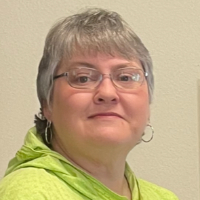

Dr. Michael Vigil
LPC
Alaska - 11 yrs exp







How infidelity therapy typically works for Alaska residents
If you are considering infidelity therapy in Alaska, it helps to know what the process usually looks like so you can set realistic expectations. Therapy for affairs and betrayals often begins with an initial intake session where the therapist gathers background information about the relationship, the timeline of events, and immediate concerns. In the weeks that follow, sessions focus on building safety within conversations, establishing what each person needs right now, and identifying patterns that contributed to the breakdown of trust. Many therapists blend approaches - such as emotion-focused work, cognitive techniques, and practical communication skills - to help couples and individuals move through grief, anger, and confusion toward clearer decision-making.
Because Alaska includes large rural areas as well as urban centers, access to a therapist may look different depending on where you live. In cities like Anchorage, Fairbanks, and Juneau you may be able to see someone in person quickly. If you live in a smaller town or in a coastal community, you may rely on online sessions or clinicians who travel regionally. Therapists who specialize in infidelity are often experienced in helping clients manage the unique logistics of follow-up, safety planning, and ongoing support within Alaska's dispersed geography.
Finding specialized help for infidelity in Alaska
When you search for a clinician who understands infidelity, prioritize clinicians who list affair recovery, relationship trauma, or rebuilding trust among their specialties. You can also look for therapists who have additional training in couples therapy modalities and who describe specific strategies for working with betrayal. Because community connections and cultural factors matter in Alaska, consider a therapist who demonstrates cultural awareness and respect for your social context - whether you live in an urban neighborhood, a close-knit small town, or a remote area where relationships and social networks are tightly interconnected.
If you prefer a therapist who understands local resources, check profiles for clinicians who mention work with community health organizations, family services, or faith-based counseling in Anchorage, Fairbanks, or Juneau. That local knowledge can help you find practical supports outside of sessions, such as legal referrals, family assistance, or community programs that complement therapeutic work.
What to expect from online therapy for infidelity
Online therapy expands access across Alaska, where travel distances and weather can make regular in-person visits difficult. If you choose online sessions, expect most therapists to offer secure video calls or phone sessions and to discuss basic logistical matters before beginning - such as how to handle missed appointments, what to do when technology fails, and where to go in an emergency. You should also expect an initial conversation about privacy in your environment - for example, how to find a quiet room for sessions if you live in a shared home or small apartment.
Online work can be as effective as in-person sessions for many aspects of infidelity therapy, especially when your therapist provides structured tools for communication, emotional regulation, and boundary-setting. You may find it easier to maintain continuity of care if you travel seasonally or live in a rural community. At the same time, some people prefer to begin in person when possible and use online sessions for maintenance or follow-up. Discuss your preferences with potential therapists so you can choose arrangements that suit your schedule and comfort level.
Common signs you might benefit from infidelity therapy
You might seek therapy when the emotional impact of an affair is affecting daily life, work, or parenting. If you find that recurring thoughts about betrayal interrupt sleep, concentration, or your ability to be present with family, therapy can provide a setting to process those reactions. Many people turn to infidelity-focused therapy when communication becomes hostile or when attempts to talk lead to repeated arguments rather than understanding. Anxiety, mistrust, persistent anger, or withdrawal from intimacy are common responses that can be addressed in therapy without labeling them as a medical condition.
Another sign that professional help could be useful is if you and your partner are stuck on decisions about the future - whether to separate, take a break, or try to rebuild the relationship. A skilled therapist can help you evaluate values, boundaries, and practical concerns such as parenting arrangements and finances. Even if only one partner wants therapy, individual counseling can help you process emotions, clarify choices, and learn coping strategies while the relationship is reconsidered.
Tips for choosing the right infidelity therapist in Alaska
Start by clarifying what you want from therapy. Are you looking for help to repair a partnership, cope individually with betrayal, or manage the legal and practical fallout? Your priorities will guide the type of clinician to look for. Read provider profiles to learn about their training, therapeutic approach, and experience with affairs. Look for descriptions that match your needs and that feel respectful and nonjudgmental about complex relationship histories.
Consider whether you prefer a therapist based in Alaska who understands local culture and resources, or someone outside the state who offers consistent online availability. Contact a few clinicians for an initial conversation - many offer brief phone consultations that allow you to assess rapport, communication style, and logistical fit. In these early talks you can ask about typical session length, frequency, fees, and cancellation policies, and you can get a sense of whether the clinician tends to be directive, exploratory, or skills-focused in their approach.
Trust your impressions. The right therapist is someone you feel you can speak openly with and who responds to your concerns in a way that helps you feel heard and guided. If therapy is for a couple, consider whether you want both partners to see the same clinician or to combine couples work with individual sessions. If local availability is limited, ask about group options or periodic intensive sessions that can concentrate progress into a shorter time frame.
Making therapy work for your life in Alaska
Accessing infidelity therapy in Alaska often requires flexibility, especially if you live outside major centers like Anchorage, Fairbanks, or Juneau. You may combine in-person appointments with online sessions, or schedule sessions around seasonal work and family obligations. Plan ahead for times when travel or weather could interfere with appointments, and discuss backup options with your therapist so you can maintain continuity.
Healing after infidelity takes time, and your needs may shift as the work progresses. You may begin with crisis-focused support and later move into rebuilding trust, improving communication, or redefining boundaries. Good therapy balances emotional processing with practical steps you can apply between sessions. Over time you should notice improvements in how you talk about the betrayal, manage difficult emotions, and make decisions about your relationship and your future.
Next steps
When you are ready, use the listings above to find clinicians who focus on infidelity in Alaska. Look for profiles that describe relevant experience and approach, and reach out for an initial talk to see if you feel understood. Whether you are in Anchorage, Fairbanks, Juneau, or a smaller community, a thoughtful therapist can help you navigate the emotional complexity that follows betrayal and support you in making choices that reflect your values and goals.