Find a Communication Problems Therapist in Alaska
This page connects you with therapists in Alaska who specialize in communication problems, offering approaches for individuals, couples, and families. Browse the listings below to compare clinicians in Anchorage, Fairbanks, Juneau, and other communities, and reach out to request an appointment.




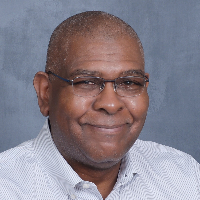

Dr. Michael Vigil
LPC
Alaska - 11 yrs exp











How communication problems therapy works for Alaska residents
If you are noticing patterns of missed connection, repeated misunderstandings, or difficulty expressing needs, therapy can help you develop clearer ways to relate. Communication problems therapy in Alaska often combines counseling techniques with practical skills training so you can practice new habits between sessions. Clinicians work with you to identify the underlying patterns - such as differences in communication styles, anxiety that makes it hard to speak up, or unresolved conflict that keeps recurring - and then introduce strategies that are tailored to your life and relationships.
Therapy can take different forms depending on your goals. You may meet with a therapist individually to focus on assertiveness, self-expression, or social confidence. Couples therapy centers on how you and your partner exchange information and emotion, helping you replace cycles of criticism or withdrawal with more constructive interactions. Family-focused work looks at how multiple people communicate and coordinates change across household dynamics. In Alaska, where families may be spread across long distances or live in small communities, therapists often incorporate practical considerations such as scheduling, travel limitations, and culturally informed approaches into treatment planning.
Finding specialized help for communication problems in Alaska
When searching for a clinician, you want someone who has experience addressing the issues you face, whether those are relationship conflicts, social anxiety, or workplace communication challenges. Look for therapists who list communication problems, couples therapy, interpersonal skills, or related specialties in their profiles. In larger population centers like Anchorage, you will find a broader range of specialties and modalities, while Fairbanks and Juneau often offer clinicians who combine general counseling skills with experience in rural and community-specific concerns.
Licensure matters because it indicates the clinician has met state requirements to practice in Alaska. Therapists may hold licenses such as Licensed Professional Counselor, Licensed Clinical Social Worker, or similar credentials. If you are seeking therapy for a child or adolescent, consider professionals who have additional training in pediatric or family-centered communication approaches. Many clinicians also bring bilingual or multicultural competence to their work, which can be important in Alaska's diverse communities and among families with multiple cultural backgrounds.
What to expect from online therapy for communication problems
Online therapy has become an accessible option for many Alaskans, especially if you live outside Anchorage, Fairbanks, or Juneau. Virtual sessions allow you to work with clinicians who may be located in other parts of the state or region, reducing travel time and expanding the pool of available specialists. During an online session, you can expect a blend of conversation, guided exercises, and homework assignments designed to build new habits. Therapists often use role-play, communication scripts, and reflective listening exercises so you can practice different ways of speaking and responding in a real-world context.
Before starting online therapy, check the clinician's policies on session length, cancellation, and emergency procedures in your area. Ask how they adapt in-session exercises to video or phone formats and whether they provide resource materials between sessions. Internet connections vary across Alaska, so discuss backup options such as phone sessions if video is interrupted. Online work can be particularly effective when combined with intentional practice in your everyday environment - for example, applying a new listening technique during a family dinner or testing a conversation plan at work and then reviewing it with your therapist.
Common signs that someone in Alaska might benefit from communication problems therapy
You might consider therapy if you notice persistent patterns that interfere with relationships or daily functioning. These signs include frequent misunderstandings that escalate into conflict, repeated avoidance of important conversations, feeling unheard even after trying to explain yourself, or a sense that conversations quickly go off course. You may also see these patterns show up at work in the form of misunderstandings with colleagues or difficulty advocating for your needs.
Other signals include physical responses like increased heart rate or shutting down when a difficult topic comes up, or social problems such as withdrawing from gatherings because you fear saying the wrong thing. Adolescents and young adults sometimes struggle with conversations in school or peer settings, and parents often seek help when sibling rivalry or disciplinary interactions become communication battlegrounds. Recognizing these patterns early can help you find practical strategies to reduce stress and improve connection.
Tips for choosing the right therapist for communication problems in Alaska
Begin by clarifying what you want to change. Are you looking to repair a relationship, build confidence in speaking up, reduce conflict, or learn to listen better? When you have a sense of your goals, review therapist profiles for descriptions of work that match those aims. Pay attention to the methods they use - some clinicians emphasize cognitive-behavioral strategies that target thought and behavior patterns, while others focus on emotion-focused work that helps you understand and communicate feelings more effectively. Many therapists blend approaches to meet your needs.
It helps to ask specific questions during an initial consultation. Inquire about their experience with communication-related challenges and whether they have worked with clients from Alaska or similar rural or small-community environments. Ask how they structure sessions, whether they provide exercises between appointments, and how progress is measured. Discuss logistics such as availability, evening or weekend hours, and whether they offer in-person sessions in Anchorage, Fairbanks, or Juneau if that matters to you. Also talk about fees and whether they accept your insurance or offer sliding scale options, so you can plan for ongoing care if needed.
Consider the personal fit as well. You should feel comfortable bringing up difficult topics and trusting that the clinician will help you explore them without judgment. It is normal for rapport to take a few sessions to develop, but you should notice a professional, respectful tone and a clear plan for addressing your concerns. If the first therapist you try does not feel like the right match, you can use what you learned to refine your search and find someone whose style suits you better.
Local considerations and next steps
Alaska's geography and community variety can influence the search for care. In cities like Anchorage you may find specialized programs and larger clinics, while Fairbanks and Juneau clinicians may combine multiple roles to serve their communities. If you live in a remote area, teletherapy is often a practical way to access specialists while staying connected to local supports such as schools, community health centers, or peer groups. When you start therapy, set realistic expectations about timing and progress - communication change often happens gradually as you practice new skills in everyday life.
Reaching out to a therapist is the first step toward clearer interactions and fewer misunderstandings. Use the profiles on this page to compare approaches and qualifications, schedule an initial consultation to ask about fit and methods, and remember that you can try more than one clinician until you find the right match. With consistent work and the right support, many people in Alaska improve how they express themselves and relate to others, strengthening both personal and professional connections.