Find a Self Esteem Therapist in Alabama
This page lists therapists across Alabama who focus on self esteem, including options in Birmingham, Montgomery, and Huntsville. Review practitioner profiles to understand their approaches and availability, then browse the listings below to find a good match.




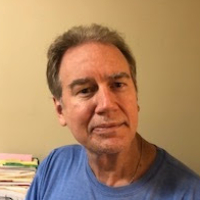


Dr. Jason Reasor
LPC
Alabama - 4 yrs exp











How self esteem therapy typically works for Alabama residents
When you begin self esteem work with a therapist in Alabama, the process usually starts with an intake conversation to clarify what you want to change and what has been getting in the way. Your clinician will ask about your history, relationships, daily routines, and particular situations where you notice low self worth or self-doubt. From there you and the therapist will agree on goals and a general plan - that plan might focus on building skills for self-compassion, examining beliefs that undermine confidence, or practicing practical steps to increase a sense of mastery in daily life.
Therapists often draw from structured approaches that help you track thoughts and behaviors, rehearse different responses, and strengthen healthier beliefs about yourself. Sessions are typically weekly to start and may shift in frequency as you make progress. Because Alabama includes both urban centers and rural communities, the exact format - whether in-person meetings in Birmingham or telehealth sessions from a smaller town - will depend on local availability and your personal needs.
Common therapeutic approaches
Self esteem therapy commonly uses cognitive behavioral techniques to help you identify and challenge negative thinking patterns. Therapists may also work with acceptance-based methods that emphasize self-kindness and values-driven action. Somatic and mindfulness practices can help you notice how low self esteem shows up in your body and emotions, while narrative approaches can help you rewrite the stories you tell about your abilities and worth. Many practitioners combine elements of these approaches to fit your personality and life circumstances.
Finding specialized help for self esteem in Alabama
Searching for a therapist who specializes in self esteem means looking beyond basic credentials to see where a clinician’s training and experience intersect with your needs. In larger Alabama cities like Birmingham, Mobile, and Tuscaloosa you may find clinicians with niche training - for example work with teens struggling with social comparisons or adults dealing with career-related self doubt. In smaller communities you might find generalists who skillfully adapt evidence-informed techniques to self esteem concerns. Consider clinicians who list self esteem, self worth, body image, or related areas in their profiles when you search.
Local referrals can be useful. If you feel comfortable, ask trusted health providers, community centers, or employee assistance programs for recommendations. Some people find it helpful to look for therapists who advertise experience with populations similar to theirs - such as new parents, veterans, college students in Tuscaloosa, or professionals in Huntsville’s technical industries. You can also review clinician biographies to learn about their theoretical orientation and whether they emphasize practical skills, insight-oriented work, or both.
Licensing and logistical considerations
Therapists practicing in Alabama generally hold state licensure or are supervised while completing licensure requirements. If you plan to meet in person, check whether a clinician practices near your city or offers offices in larger hubs such as Birmingham or Montgomery. If you prefer telehealth, confirm that the clinician provides virtual sessions to Alabama residents and ask about any specific scheduling or technology needs. Cost, insurance acceptance, sliding scale options, and session length are practical details to confirm before booking.
What to expect from online therapy for self esteem
Online therapy can be an effective way to address self esteem concerns when in-person options are limited or when your schedule makes remote sessions more practical. You can expect many of the same therapeutic elements as an in-person session: assessment, goal-setting, skills practice, and reflection between meetings. Online work often uses video sessions but may also include phone sessions, text-based messaging, or worksheets sent electronically to reinforce new habits.
When you choose online therapy, plan for a consistent environment where you can speak freely and focus. This might mean using headphones and finding a quiet room at home or another comfortable setting. Ask the therapist how they handle session notes, follow-up communication, and emergencies so you understand the process. Online therapy widens access for people living outside major cities in Alabama, and it can make it easier to continue work while you travel or shift jobs.
Signs you might benefit from self esteem therapy
You may consider therapy if you notice persistent self-criticism that interferes with daily life, repeated avoidance of opportunities because of fear of failure, or difficulties maintaining relationships due to feelings of unworthiness. Other signs include harsh comparisons to others on social media, trouble accepting compliments, or chronic perfectionism that leaves you exhausted and unhappy. If negative self-beliefs shape career choices, academic performance, or parenting, therapy can provide tools to change those patterns.
For adolescents in schools around Birmingham or young adults in university towns like Tuscaloosa, struggles with self esteem often show up as social withdrawal, academic procrastination, or mood shifts. For adults in work settings across Huntsville or Montgomery, self esteem concerns may emerge as difficulty negotiating for promotions, avoiding networking, or discounting achievements. Recognizing these patterns is a first step toward finding targeted help.
Tips for choosing the right therapist for self esteem work in Alabama
Start by clarifying what you want to change and what kind of therapeutic style helps you feel heard. Some people prefer a more directive approach that focuses on skills and homework, while others seek a reflective space to explore childhood experiences that shape self worth. Read therapist profiles to learn about their approach and ask about their experience helping people with self esteem during an initial consultation. Many clinicians offer a brief phone or video meet-and-greet so you can check fit before committing.
Practical factors matter too. Consider whether you need evening or weekend availability, whether you plan to use insurance, and whether you prefer in-person sessions in Mobile or remote sessions that fit your routine. It is also reasonable to ask about typical session length and how progress is measured. Trust your instincts about rapport - feeling comfortable and respected in early meetings often predicts a productive therapeutic relationship.
Preparing for your first sessions and next steps
Before your first session gather a few notes about recent events that prompted your search for help, examples of situations where low self esteem shows up, and what you hope to achieve in therapy. Clear goals make it easier for you and your therapist to identify practical steps and to track progress. Expect the first few sessions to be exploratory as you and the clinician build understanding and decide on the best methods for your needs.
After you begin therapy, give the process time. Change in how you relate to yourself often unfolds gradually as you practice new thoughts and behaviors between sessions. If you find that a therapist is not a good fit, it is appropriate to try another clinician - the directory listings make it easier to compare profiles and approaches across Alabama. Whether you live in an urban hub like Birmingham or in a smaller community, you can find a therapeutic path that aligns with your goals and lifestyle, and taking that first step can open the way to greater self-acceptance and more confident decision-making.