Find a Relationship Therapist in Alabama
This page connects you with relationship therapists who work with couples, partners, and individuals throughout Alabama, including Birmingham, Montgomery, and Huntsville. Browse the listings below to compare specialties, approaches, and availability and reach out to a therapist who matches your needs.






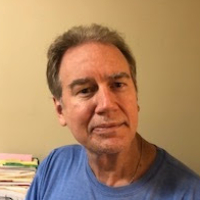

Dr. Jason Reasor
LPC
Alabama - 4 yrs exp













How relationship therapy works for Alabama residents
Relationship therapy is a collaborative process that helps you and your partner explore patterns of interaction, improve communication, and address conflicts that affect your daily life. In Alabama, therapists trained in couples and relationship work use a range of evidence-informed approaches to help you understand how history, stress, and individual differences shape your relationship. Sessions are typically structured around setting shared goals, identifying recurring dynamics, and practicing new ways of relating that can be applied between meetings. Many therapists also support individuals who are navigating dating concerns, breakups, blended-family challenges, or the aftermath of betrayal.
Therapy often begins with an assessment conversation to clarify what is most important to you and your partner. From there you can expect a mix of reflective conversation, skill-building exercises, and homework designed to reinforce learning. The pace and focus depend on your priorities - some people concentrate on repairing a long-term relationship while others work on improving communication or making a thoughtful decision about next steps. In urban centers such as Birmingham and Huntsville, you may find practitioners who combine couples work with family systems, trauma-aware care, or sexual health expertise, depending on your needs.
Finding specialized help for relationship concerns in Alabama
When you look for a relationship therapist in Alabama, consider the kinds of expertise that will serve your situation best. Some therapists emphasize evidence-based methods that target interaction patterns, while others bring training in attachment, emotion-focused therapy, or culturally informed practices. If you are facing a challenge tied to life transitions - such as relocation, parenting changes, or career stress - you can find clinicians in Montgomery, Mobile, and Tuscaloosa who focus on life-cycle transitions and the specific cultural context of the region.
Licensure and professional credentials are useful indicators of basic training and oversight. Many relationship therapists are licensed mental health professionals with additional training in couples modalities. You can also look for therapists who list specialties like premarital counseling, infidelity recovery, co-parenting, or sexual concerns when those areas align with what you need. In Alabama, some therapists offer evening and weekend hours to accommodate busy schedules, and some provide sliding scale fees or community referrals to help make care more accessible. Reading therapist profiles will help you find someone whose language and approach feel like a good fit.
What to expect from online therapy for relationship work
Online therapy has become a common option for relationship work, and it can be particularly helpful in a large and varied state like Alabama where distance or scheduling can be barriers. When you choose virtual sessions, you can meet with a therapist from your home, from a parked car before work, or from another space where you feel comfortable. Many couples find that video sessions make it easier to coordinate schedules when partners have different routines or travel commitments. Therapists who offer online work will explain how appointments are scheduled, how to prepare for a session, and what technology will be used.
Online therapy often follows the same structure as in-person care - an initial assessment, goal setting, and regular sessions - but with adaptations for the medium. Your therapist may use screen-sharing to review exercises, suggest at-home practice between sessions, or use brief check-ins by message to reinforce progress. If one partner prefers in-person meetings and the other prefers online, some clinicians offer hybrid models that combine both formats. Keep in mind that online options can vary by therapist based on licensure rules and practice policies, so ask about availability in Alabama and whether a therapist accepts clients in your county.
Common signs you might benefit from relationship therapy in Alabama
People seek relationship therapy for many reasons. You might be considering therapy if you notice repeated arguments that follow the same pattern, a sense of emotional distance, difficulty resolving conflicts, or a drop in intimacy and trust. Other common signs include struggling to co-parent effectively, feeling stuck in old roles, or facing major life changes - such as a move to a new city, a job change, or health concerns - that strain your connection. You may also look for help after an affair, during a separation, or when you want to improve communication before making a long-term commitment.
If you live in a community where social expectations or family pressures play a large role, therapy can provide a place to examine how those influences shape your relationship choices and boundaries. In Birmingham or Montgomery you might find resources that address balancing work and family life in an urban environment, while in smaller towns you may want a therapist experienced with the dynamics of close-knit communities. Regardless of your setting, the goal of therapy is often practical - to help you learn different ways of relating so that your partnership feels more supportive and resilient.
Tips for choosing the right relationship therapist in Alabama
Start by clarifying what you want to achieve. Are you hoping to improve communication, rebuild trust, navigate a transition, or make a decision together? Identify a few priorities to guide your search and use therapist profiles to match those priorities with training and stated focus areas. You should also consider practical factors like location, availability, fees, and whether the therapist offers online sessions. In cities such as Huntsville and Mobile you will likely find a wider range of specialized providers, but many Alabama therapists are available via video, expanding your options beyond local offices.
When you contact a therapist, use the initial conversation to ask about their approach to relationship work, how they involve each partner in sessions, and what a typical timeline looks like. Ask about experience with issues that matter to you - for example, work with blended families, military-related transitions, or faith-informed perspectives if those are relevant. It is reasonable to ask about session length, cancellation policies, and whether they offer brief consultations to determine fit. Pay attention to how they respond to your questions - a therapist who listens carefully and explains options clearly is more likely to help you feel understood.
Trust your judgment after the first few sessions. It is normal for therapy to feel uneasy at first as you address sensitive topics, but you should feel that your concerns are taken seriously and that the therapist is helping you and your partner move toward practical steps. If the match does not feel right, it is okay to look for another provider; many people try a few clinicians before finding someone who aligns with their style and goals.
Practical considerations specific to Alabama
Insurance coverage, sliding scale options, and availability can vary across the state. If insurance is important to you, check whether a therapist is in-network or accepts out-of-network reimbursement. If cost is a barrier, look for clinicians who offer reduced fees or for community clinics in larger cities like Birmingham and Montgomery that provide lower-cost services. If cultural or faith-based understanding is important, search for therapists who list those areas of specialty, since regional values and community norms can influence how you want to approach relationship work.
Finally, prepare for your first appointment by thinking about a few specific examples of interactions that are concerning, what you hope will change, and any practical constraints on scheduling. Bringing a willingness to explore patterns and try new communication habits will increase the chance that therapy produces meaningful results. Whether you live in a city or a rural community in Alabama, relationship therapy can be adapted to your needs and helps you build the tools to manage challenges with more confidence.
Finding the right start
Searching for help can feel like an important first step. Use the listings above to read profiles, compare approaches, and reach out to therapists who seem like a strong fit. Taking that initial step to contact a clinician can open a path toward clearer communication and a stronger relationship, whether you are in Birmingham, Montgomery, Huntsville, or elsewhere in Alabama.