Find a Prejudice and Discrimination Therapist in Alabama
This page connects you with therapists across Alabama who focus on experiences of prejudice and discrimination. Browse listings below to compare clinicians, read specialties, and find someone who matches your needs.




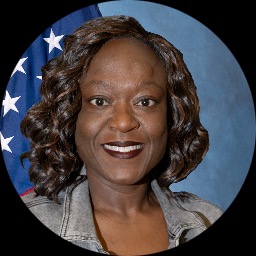
Savannah O'Berry
LPC
Alabama - 6 yrs exp















How prejudice and discrimination therapy can help you in Alabama
If you are coping with the emotional impact of bias, microaggressions, or systemic discrimination, therapy can offer a place to process those experiences and build practical coping skills. In Alabama you may seek help for the immediate distress after an incident, for ongoing stress tied to cumulative experiences, or for how discrimination affects relationships, work, and daily functioning. A therapist who specializes in prejudice and discrimination will often combine trauma-informed care with culturally responsive practices so that your experiences are understood in the context of identity, history, and community.
Therapeutic work generally focuses on validating your experience, reducing symptoms that interfere with daily life, and strengthening strategies you can use when you face biased behavior. Therapists may also help you explore how discrimination has shaped your sense of safety, belonging, and self-worth. Over time you and your clinician will identify goals that matter to you - whether that means managing panic after an incident, restoring trust in relationships, or developing advocacy skills for your workplace or community.
Intake, assessment, and goal setting
Your first sessions typically involve an intake conversation where the therapist asks about your current concerns, personal history, and how discrimination has affected you. They will want to hear about specific incidents and patterns, as well as about supports you already have. This assessment helps the clinician develop a treatment plan tailored to your needs, which may include individual therapy, group work, or referrals to community resources in Alabama such as support networks and legal advocacy when appropriate. You should expect collaborative goal setting, where you shape the focus and pace of therapy.
Common therapeutic approaches used
Therapists addressing prejudice and discrimination often draw on a range of evidence-based approaches. Cognitive behavioral strategies can help you identify and reframe thoughts that exacerbate distress. Trauma-focused therapies support processing of intense, intrusive memories related to discriminatory incidents. Narrative and culturally attuned therapies create space to tell your story and to situate your experience within broader cultural and historical contexts. Somatic techniques may be used to help you regulate your body's stress response following chronic or acute encounters with bias. The exact mix of methods depends on what you bring to the work and what feels most helpful for you.
Finding specialized help in Alabama
When searching for a therapist in Alabama who understands prejudice and discrimination, look for clinicians who list multicultural competence, anti-oppression practice, or racial trauma among their specialties. You can search by location if you prefer in-person sessions - larger cities like Birmingham, Montgomery, and Huntsville tend to have more clinicians with specialized training and varied approaches. If you live in a smaller town or want more options, online therapy expands access to therapists across the state and beyond.
Consider asking about a therapist's experience working with identities and communities that matter to you. Some clinicians have training specific to race-based stress, sexual orientation and gender identity discrimination, faith-based marginalization, or workplace bias. You may also want to know whether they offer sliding scale fees, accept certain insurance plans, or provide evening and weekend appointments. Practical questions about availability and session logistics are important because a consistent therapeutic relationship is often the most meaningful factor in progress.
What to expect from online therapy for prejudice and discrimination
Online therapy can be a good option if you need greater scheduling flexibility or if you live far from major Alabama cities. Through video or phone sessions you can work with clinicians who specialize in discrimination-related issues even if they are based in another part of the state. During remote sessions you can expect many of the same elements as in-person care - an intake conversation, goal-setting, skill-building, and emotion-focused work. Some people find it easier to open up from a familiar environment, while others prefer the structure of an office visit.
When you choose remote therapy, clarify how appointments will be conducted and what technology you need. Ask about policies for missed sessions, how to contact the clinician between sessions in non-urgent situations, and what to do if you are experiencing a crisis. If you live in Alabama, make sure the therapist is licensed to practice in the state for in-person care and that their teletherapy arrangements meet state guidelines. Many clinicians will also describe how they approach cultural competence in virtual spaces, and you can ask how they adapt interventions to honor your context and identity.
Signs you might benefit from this type of therapy
You might consider seeking a therapist if experiences of bias are causing persistent feelings that interfere with your life. This can include ongoing anxiety or hypervigilance related to past incidents, anger or sadness that is hard to manage, strained relationships with family or coworkers, or trouble sleeping after encounters with discrimination. Some people notice avoidance patterns - steering clear of people, places, or opportunities because they fear recurrent bias. Others struggle with reduced motivation, a shrinking social circle, or physical symptoms such as headaches or stomach issues that seem tied to stress.
If you find that discriminatory experiences are eroding your confidence at school or work, affecting your parenting or romantic relationships, or making you question your identity and future plans, therapy can provide a space to regroup and build resilience. You do not need to be in crisis to benefit from therapy - many people seek help to find perspective, strengthen coping tools, and take action in ways that align with their values.
Tips for choosing the right therapist in Alabama
Start by identifying what matters most to you in a therapist - clinical experience with prejudice and discrimination, shared identity or lived experience, a particular therapeutic approach, or practical considerations like location and cost. When you contact a clinician, ask clear questions about their experience working with people who face discrimination and what approaches they use. It is reasonable to ask how they stay informed about cultural and social issues that affect their clients.
Trust your impressions from an initial phone or video consultation. Notice whether the clinician listens to your concerns without minimizing them, whether they acknowledge systemic factors as well as personal impact, and whether they can offer examples of strategies that might help. If you are located in Birmingham, Montgomery, Huntsville, Mobile, or Tuscaloosa you may also want to ask about local referrals - some therapists maintain relationships with community groups and advocacy organizations that can supplement individual therapy.
Practical matters are also important. Confirm licensure and professional credentials, understand payment options and insurance, and discuss expected session length and frequency. If you are considering online therapy, make sure you understand how technology will be used and what options exist if a session needs to be rescheduled. It is perfectly acceptable to try a few sessions and switch therapists if the fit is not right - a strong working relationship often requires trial and adjustment.
Moving forward with confidence
Seeking therapy for experiences of prejudice and discrimination is an act of care for yourself and your community. Whether you choose in-person support in a city like Birmingham or Huntsville, or you prefer the reach of online sessions, you can find clinicians who understand the complex mix of personal pain and structural factors involved. As you review profiles and make contact, prioritize therapists who demonstrate cultural awareness, openness to your story, and a collaborative approach to healing. With time and the right support, you can develop tools to manage stress, reclaim a sense of agency, and strengthen the relationships and roles that matter most to you in Alabama.