Find an Obsession Therapist in Alabama
This page lists therapists in Alabama who focus on obsession and related intrusive thoughts. You can browse profiles, read about each clinician's specialty, and reach out to learn more.
Use the listings below to compare training, approaches, and availability in cities across Alabama before contacting a therapist for an initial consultation.





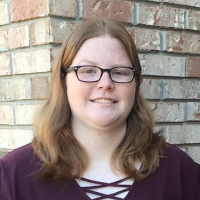
Savannah O'Berry
LPC
Alabama - 6 yrs exp











How obsession therapy typically works for Alabama residents
If you are seeking help for obsessive thoughts or behaviors, the first step is usually an assessment to understand how obsession affects your daily life. A clinician will ask about patterns of thinking, behaviors you may use to respond to intrusive thoughts, and the impact on work, school, relationships, and routines. This assessment helps shape a treatment plan that fits your goals and circumstances.
Treatment often centers on evidence-based approaches that focus on changing the way you respond to intrusive thoughts rather than trying to force thoughts to stop. Exposure and Response Prevention - ERP - is a commonly used method where you gradually face feared thoughts or situations while learning to resist compulsive responses. Cognitive behavioral strategies help you examine unhelpful thinking patterns and build skills for managing anxiety and distress. Some clinicians include tools from acceptance and commitment approaches to help you live in accordance with your values even when uncomfortable thoughts arise. In many cases, therapists will coordinate with primary care providers or psychiatrists if medication options are part of your plan.
Finding specialized help for obsession in Alabama
When you look for a specialist in obsession, consider the clinician's training in the specific techniques used to treat intrusive thoughts and compulsive behaviors. Licensed professional counselors, licensed clinical social workers, and psychologists who list ERP, cognitive behavioral therapy, or obsessive-compulsive spectrum expertise often have focused experience. Larger cities such as Birmingham, Montgomery, and Huntsville tend to have more clinicians with specialized training, but many therapists offer telehealth appointments that expand access across the state.
You can use local directories to filter by specialty and licensure, and you might search for clinicians affiliated with university training clinics or community mental health centers if cost or sliding scale options matter. Referrals from your primary care provider or employee assistance program can also point you toward clinicians with relevant experience. When you contact a therapist, asking about their experience with obsession-related concerns, typical treatment length, and whether they use structured protocols like ERP will help you determine fit.
What to expect from online therapy for obsession
Online therapy has become a practical option for many people in Alabama, especially if transportation or scheduling is a challenge. In an online session, you will generally connect with a therapist via video or phone for regular appointments. Therapists often assign between-session exercises, such as practice exposures or thought monitoring, so you will likely do active work outside of scheduled sessions. The convenience of remote appointments can help you maintain consistency, which is important for progress.
Therapists who deliver obsession-focused treatment online adapt exercises to your environment and help you plan exposures that are realistic and safe. You should expect a discussion about privacy practices and how to set up a quiet, distraction-minimized place for sessions. Some people find it easier to practice exposure tasks in the environment where intrusive thoughts occur, while others prefer initial work in the therapist's virtual setting before moving to more challenging situations. If you live outside metropolitan areas, telehealth can connect you with clinicians in Birmingham or Huntsville who have specialized experience that may not be available locally.
Common signs that you might benefit from obsession therapy
You might consider seeking a clinician if intrusive thoughts or repetitive behaviors are taking up a lot of time, causing distress, or interfering with daily responsibilities. When you notice you are avoiding situations because of fear of certain thoughts, engaging in rituals to feel less anxious, or spending significant energy trying to control thoughts, these are signals that focused treatment could help. You may also struggle with shame or confusion about the content of intrusive thoughts, and talking with a therapist can provide practical strategies and a perspective that reduces isolation.
Other signs include difficulty concentrating, strained relationships due to time spent on compulsive behaviors, or repeated attempts to manage or suppress thoughts that feel ineffective. If obsessive patterns are linked with panic symptoms or a decline in quality of life, reaching out for assessment can clarify options and next steps for care. You do not need to reach a crisis point to benefit from therapy; early engagement can make treatment more manageable and reduce the long-term burden of symptoms.
Tips for choosing the right therapist for obsession in Alabama
Begin by identifying clinicians who state experience with obsessive thoughts or obsessive-compulsive related concerns. During an initial phone or video consultation, ask about specific training in ERP and cognitive behavioral approaches, how they measure progress, and what a typical session structure looks like. You may want to know whether the clinician offers flexible scheduling, sliding scale fees, or works with your insurance plan. If cultural background or language matters to you, inquire about cultural competence and whether the clinician has experience working with people from your community.
Trust and rapport are central to effective therapy, so pay attention to how comfortable you feel discussing difficult thoughts with the clinician during a brief consultation. A therapist who explains techniques clearly, sets collaborative goals, and discusses homework expectations can make it easier for you to stay engaged. If you live in an area with fewer local specialists, ask whether the clinician provides telehealth services across Alabama and whether they have experience adapting exposure exercises to remote formats. In larger cities like Birmingham or Montgomery you may find clinics that offer intensive weekend programs or group formats; ask about alternatives if scheduling weekly sessions is challenging.
Working with local services and community resources
Alabama offers a range of community resources that can complement therapy. University training clinics can provide access to clinicians who are supervised and often offer reduced fees. Community behavioral health centers may have programs that address obsessive-compulsive patterns as part of broader behavioral health services. Peer support groups can provide connection and practical tips, though they are not a substitute for professional assessment and treatment. If you are balancing work or family commitments, consider therapists who offer evening appointments or telehealth options to fit your schedule.
In cities such as Huntsville and Mobile you may find clinicians who specialize in niche subtypes of obsession or related anxiety conditions. If you are coordinating care with a psychiatrist for medication management, look for therapists who collaborate with prescribers and communicate about treatment progress when you grant permission. Clear communication among providers can support a cohesive plan tailored to your needs.
Getting started and next steps
When you are ready to start, a practical approach is to review therapist profiles, note two or three clinicians whose descriptions match your goals, and request an initial consultation. Use that conversation to ask about approach, expected time frame, and how progress is tracked. If a clinician suggests a plan that feels realistic and you feel heard during the consultation, you are likely in a good position to begin focused work.
Remember that progress often involves gradual changes and active practice between sessions. If barriers arise - such as difficulty scheduling, financial concerns, or discomfort with a particular technique - raise them early so you and your therapist can adapt the plan. Exploring options across Alabama, whether in Birmingham, Montgomery, Huntsville, or via telehealth, increases the likelihood of finding a clinician whose expertise and style match what you need.
If you are unsure where to begin, use the listings above to compare specialties, read clinician statements, and reach out with questions. Finding the right fit can make a meaningful difference in how you manage intrusive thoughts and move toward clearer daily functioning. Take the first step by contacting a therapist who aligns with your goals and begin a conversation about what targeted treatment could look like for you.