Find a Forgiveness Therapist in Alabama
This page connects you with therapists in Alabama who focus on forgiveness work. Explore clinician profiles below to compare approaches, availability, and whether they offer in-person or online sessions.
Use the listings to find a practitioner who fits your needs and begin taking steps toward healing and clearer relationships.





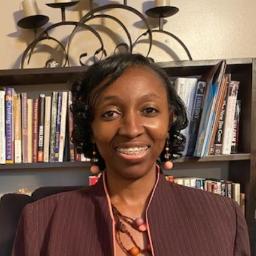

Dr. Jason Reasor
LPC
Alabama - 4 yrs exp












How forgiveness therapy works for Alabama residents
Forgiveness therapy is a focused form of support that helps you address harm, resentment, and unresolved conflict in ways that feel constructive. In Alabama, clinicians who specialize in forgiveness often blend elements from cognitive-behavioral therapy, emotion-focused methods, and narrative approaches so you can explore the story of what happened, identify the feelings that remain, and practice new ways of relating to yourself and others. Sessions typically center on helping you make meaning of events, set boundaries, and develop skills that reduce the emotional weight of past hurts without asking you to minimize their impact.
The process is collaborative. Your therapist will invite you to describe the incident or pattern that brought you to therapy, examine how the experience has shaped your thoughts and relationships, and work with you to define what forgiveness would look like for you. For some people forgiveness means releasing constant rumination; for others it means rebuilding trust gradually. Your values and cultural background are often part of the conversation, and clinicians across Alabama commonly incorporate practices that respect spiritual and social contexts when appropriate.
Approaches you may encounter
Practitioners who help with forgiveness often use guided reflection, role play, letter-writing techniques, and behavioral experiments that let you test new responses in real life. Therapists trained in trauma-informed care will pay attention to safety and pacing so that you do not feel pushed to forgive before you are ready. You may also work on emotion regulation, communication skills, and realistic goal setting so that forgiveness becomes a part of a broader plan for healthier relationships and personal growth.
Finding specialized help for forgiveness in Alabama
When you search for a forgiveness therapist in Alabama, think about the setting that best supports your progress. If you prefer meeting in an office, you might look for clinicians practicing in Birmingham, Montgomery, or Huntsville where a range of specialties is more likely to be available. Smaller communities also have thoughtful clinicians who understand local cultural norms and can tailor their approach accordingly.
Begin by reading therapist profiles to learn about training and areas of focus. Look for mention of forgiveness, relational work, trauma-informed care, or grief counseling as these areas often overlap. Many clinicians list the populations they serve - such as adults, couples, or family systems - which helps you determine whether their practice aligns with your needs. If a profile is not specific, an initial call or consultation can clarify whether forgiveness is a treatment focus and how they typically structure that work.
Questions to ask when you search
It can be helpful to ask potential therapists how they define forgiveness in a clinical context and what techniques they use to guide the process. You might inquire about their experience with people from similar backgrounds, whether they integrate cultural or faith-based perspectives if that is important to you, and how they measure progress. Asking about session length, frequency, fees, and insurance acceptance will help you plan a sustainable path forward.
What to expect from online therapy for forgiveness
Online therapy has become an accessible option for many people in Alabama, particularly if you live outside a metropolitan area or have scheduling constraints. With telehealth, you can connect with a clinician who specializes in forgiveness even if their office is in another city. You should expect structured video or phone sessions that follow a therapeutic plan similar to in-person work, with adaptations to the online format such as digital worksheets and online journaling exercises.
Before beginning, discuss practical details like how to schedule sessions, how notes and communications are handled, and what technical arrangements are needed for a reliable session. Many therapists will offer an initial virtual consultation so you can see whether their style feels comfortable. Online therapy can be especially useful if you want continuity of care while traveling, or if you live in a region with fewer local specialists.
Preparing for virtual sessions
Choose a comfortable, interruption-free spot for your session where you can speak and listen without being disturbed. Let your clinician know if there are concerns about sound or connection so they can adjust accordingly. You may be given exercises to practice between sessions, and some clinicians combine occasional in-person meetings with virtual visits if you live near cities like Birmingham or Huntsville and prefer a hybrid approach.
Common signs you might benefit from forgiveness therapy
You might consider forgiveness therapy if you notice persistent anger, recurring thoughts about a hurt, or difficulty moving forward after a betrayal. If resentment is affecting your close relationships, making it hard to trust or communicate, or if you find yourself replaying a painful event in ways that sap your energy, focused therapeutic work can help. People also seek forgiveness therapy when they struggle with guilt about having hurt someone else and want to understand how to make amends and rebuild trust.
Other signs include avoiding places or people that remind you of the event, experiencing frequent mood swings related to the memory, or feeling stuck in patterns of blame that prevent problem solving. Therapy can provide tools to transform those patterns into more adaptive responses so that you can pursue clearer relationships and a stronger sense of emotional balance.
Tips for choosing the right therapist for this specialty in Alabama
Choosing the right therapist is a personal decision that blends practical considerations and fit. Start by narrowing your search to clinicians who explicitly mention forgiveness or related approaches in their profiles, then reach out to ask about their experience with your specific concern. Trust your instincts about whether their communication style and values align with yours. It is reasonable to arrange a brief consultation to discuss goals, methods, and expected timelines so you can decide whether to move forward.
Consider logistics such as location, availability, and cost. If you live near Birmingham, Montgomery, or Huntsville you may have more options for in-person appointments and specialty care. If travel is difficult, prioritize clinicians who offer online sessions and flexible scheduling. If cultural or faith-based understanding is important, look for therapists who describe experience working with the communities and beliefs that matter to you.
Finally, give the relationship time to develop. The first few sessions are often about assessment and building rapport. If after a reasonable period you do not feel the therapist is helping you move toward your goals, it is okay to seek a different clinician. A good match will leave you feeling heard, understood, and guided toward practical steps that reflect your values.
Moving forward with forgiveness work
Forgiveness therapy is not about minimizing what happened or pressuring you to forget. It is about regaining choice and agency in how you respond to past harm. As you work with a therapist in Alabama, expect to be supported in clarifying what forgiveness means to you, creating healthy boundaries, and practicing skills that help you live with less emotional burden. Whether you connect with a clinician in Birmingham, meet online with someone across the state, or find help closer to home, the goal is to help you move toward greater emotional clarity and healthier relationships.
If you are ready to begin, use the directory listings above to compare therapists' approaches and availability, and schedule a consultation to explore whether forgiveness therapy is the right next step for you.