Find a Compulsion Therapist in Alabama
This page lists clinicians across Alabama who focus on compulsion-related concerns. Explore profiles below to compare approaches, availability, and online options that fit your needs.





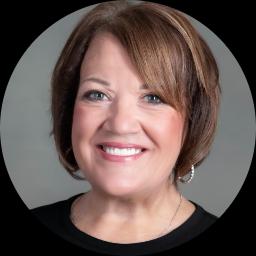
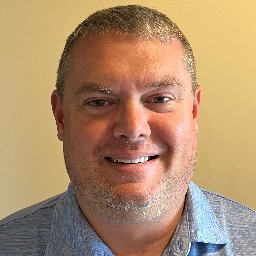
Savannah O'Berry
LPC
Alabama - 6 yrs exp










How compulsion therapy works for Alabama residents
If you are seeking help for repetitive urges or rituals, therapy typically begins with an assessment of how these behaviors affect your daily life. Your clinician will talk with you about the situations that trigger the compulsion, the actions you take to respond, and the emotional or practical consequences. From there, you and your therapist develop a collaborative plan that often focuses on building coping strategies, changing unhelpful patterns, and gradually testing new ways of responding to triggers.
Common therapeutic approaches include cognitive behavioral methods that help you identify thoughts and beliefs linked to compulsive actions, and exposure-based techniques that involve gradual, supported practice in tolerating urges without performing the ritual. Therapists adapt these methods to your pace and to the realities of living in Alabama, whether you are in Birmingham, Montgomery, Huntsville, Mobile, Tuscaloosa, or a smaller community.
Finding specialized help for compulsion in Alabama
When you start looking for a clinician, it helps to focus on providers who list compulsion or obsessive behaviors as a specialty. You will find these clinicians working in a variety of settings - community clinics, university training programs, mental health centers, and independent practices - and offering a range of formats from in-person sessions to video appointments. Urban centers like Birmingham and Huntsville tend to have a higher concentration of specialists, but many clinicians offer telehealth that expands access across the state.
Licensure and training matter because they shape the kinds of services a clinician can offer. Therapists may carry credentials such as licensed professional counselor, licensed clinical social worker, or psychologist. When you review profiles, look for clinicians who mention experience with exposure-focused work, anxiety-related compulsions, or related behavioral interventions. If you prefer a clinician with experience around specific life stages - adolescence, college years, midlife - check for those notes as well.
What to expect from online therapy for compulsion
Online therapy can be a practical option if travel is difficult or local specialists are limited. In a typical telehealth session you will meet with your therapist via video at a scheduled time, discuss your goals, and be given exercises to practice between sessions. Many clinicians use homework assignments and real-world exercises that you carry out in your daily environment, with follow-up and troubleshooting during sessions.
When you pursue online care, check that the clinician is licensed to provide services to people living in Alabama. Technology-wise, expect to use a computer, tablet, or smartphone and a stable internet connection. You may find that certain exposure exercises are easier to arrange in your home environment, while other tasks require planning or support. Discuss how the therapist will handle safety concerns, emergencies, or the need for in-person referrals so you know what to expect beyond video sessions.
Common signs you might benefit from compulsion therapy
You may be considering therapy if repetitive behaviors are taking up large amounts of time, causing distress, or getting in the way of responsibilities at work, school, or home. Other signs include feeling driven to repeat rituals to reduce anxiety, avoiding situations that trigger compulsive urges, or experiencing significant strain in relationships because of these behaviors. Sometimes friends or family members notice changes before you do, and they may encourage you to seek support.
Not every urge or habit requires clinical care, but if rituals are increasing in frequency or intensity, or if they interfere with your goals, a specialized clinician can help you understand options and plan a path forward. Early assessment can clarify whether focused therapy, brief coaching strategies, or additional supports are most appropriate for your situation.
Tips for choosing the right therapist for this specialty in Alabama
Start by reviewing profiles to learn about a clinician's approach, training, and experience with compulsion-related issues. Look for language that explains how they work - whether they emphasize exposure methods, cognitive restructuring, habit reversal, or a combination of techniques. You may prefer someone who has worked with your age group, cultural background, or life context.
Consider practical factors such as appointment times, fees, insurance participation, and whether they offer telehealth. If cost is a concern, ask whether the clinician has a sliding scale or can recommend community resources in Alabama. Location can matter when in-person sessions are important - clinicians in Birmingham, Montgomery, or Huntsville may have different availability than those serving more rural areas. When you contact a therapist, use the initial call or consultation to ask about typical session length, expected number of sessions, and how progress is measured.
Questions to ask during a first contact
When you reach out to a potential therapist, ask how they approach compulsion work and what techniques they commonly use. Inquire about their experience with concrete examples similar to your situation. Ask how they structure between-session practice, what kinds of homework you might expect, and how they involve family members when appropriate. You can also ask about their cancellation policy and how they handle urgent needs outside of scheduled hours.
Practical considerations for Alabama residents
If you live in a rural part of Alabama, telehealth may expand your options and let you connect with clinicians based in larger cities. If you prefer in-person care, look for clinicians affiliated with community health centers or university clinics that often serve broader geographic areas. If you are affiliated with a university or employer, check whether student health services or employee assistance programs can provide an initial referral.
Insurance coverage varies, and many clinicians list which plans they accept. If insurance is not an option, some clinicians offer reduced-fee sessions or group programs that can lower costs. You may also find workshops or group formats in Birmingham or Tuscaloosa that provide skill-building at a lower cost than individual therapy.
Preparing for your first session
Before your first appointment, think about the specific behaviors that prompted you to seek help and how they affect your day-to-day life. Jot down recent examples, any patterns you notice, and questions you want to ask. Being ready to describe when compulsions occur, how long they last, and what consequences follow will help your clinician understand your priorities and tailor a plan.
Therapy is a collaborative process. You and your clinician will work together to set goals, try strategies, and adjust the approach based on what works for you. Whether you connect with a clinician in Mobile, Montgomery, Huntsville, or online, the aim is to help you build skills that fit your life in Alabama and support meaningful changes over time.
Next steps
Use the listings on this page to read clinician profiles, check availability, and request a consultation. If you are unsure where to begin, consider a brief intake session to assess fit and approach. Taking that first step can help you find a supportive clinician and start addressing compulsive behaviors with a plan that reflects your needs and circumstances.