Find a Body Image Therapist in Alabama
This page lists therapists who specialize in body image work in Alabama and the surrounding communities. Use the profiles below to compare approaches, locations, and specialties, and begin exploring options that fit your needs.


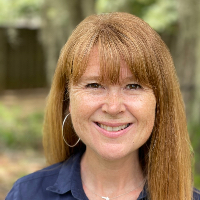
Savannah O'Berry
LPC
Alabama - 6 yrs exp





How body image therapy works for Alabama residents
When you seek therapy for body image concerns in Alabama, the process typically begins with an intake conversation where the therapist learns about your history, current concerns, and goals. That first step is an opportunity to describe how your relationship with your body affects daily life - how you feel in social settings, how you relate to mirrors or photos, and whether eating, exercise, or appearance-related thoughts interrupt work, school, or relationships. A skilled therapist will use this material to tailor a treatment plan that blends evidence-informed techniques with an understanding of the cultural and regional context where you live.
Therapists who focus on body image integrate approaches that address thoughts, emotions, and behaviors together. Cognitive strategies help you identify and test unhelpful beliefs about appearance. Experiential techniques help you learn to tolerate uncomfortable feelings without reacting in ways that reinforce negative self-perceptions. Movement- and body-based interventions can reconnect you with physical experience in a way that emphasizes function and sensation rather than judgment. Over weeks or months you will practice new ways of thinking and coping so that changes generalize to daily life.
Finding specialized help for body image in Alabama
Finding the right therapist usually involves a combination of research and direct outreach. Start by reading therapist profiles to see who lists body image, disordered eating, or related specialties. Pay attention to clinicians who describe training or experience in areas that match your concerns, such as work with trauma, adolescent transitions, or gender-related body concerns. You can prioritize clinicians who mention specific modalities you are curious about, such as cognitive behavioral therapy focused on body image, acceptance-based approaches, or somatic work that incorporates the body's sensations.
If location matters, consider whether you prefer in-person appointments in cities like Birmingham, Montgomery, or Huntsville, or a clinician who offers remote sessions. In more rural parts of Alabama you may find fewer local specialists, which makes remote options an important consideration. You should also look for therapists who note experience with populations similar to yours - for example, teens navigating social media pressures, people recovering from disordered eating, or adults coping with medical changes to their bodies.
What to expect from online therapy for body image
Online therapy can expand your access to clinicians who focus on body image, particularly if you live outside major urban centers. When you engage in teletherapy, the structure of sessions is similar to in-person work - conversation, therapeutic exercises, and collaborative goal-setting - but the tools and logistics differ. You will need a quiet space for sessions and a reliable internet connection. Many therapists will offer guidance on how to prepare for a virtual session, including suggestions for managing distractions and ensuring you feel comfortable during exercises that might involve discussing or observing body-related behaviors.
Therapists adapt certain interventions for online formats. Cognitive work, reflective exercises, and guided imagery translate easily to video sessions. Somatic interventions and movement-based practices can be guided remotely with clear verbal cues and attention to safety. Your therapist will discuss limits and benefits of online work, such as the convenience of attending from home and the possibility of working through issues that connect directly to your daily environment, like social media use or family interactions. If you live in Birmingham, Montgomery, Huntsville, Mobile, or Tuscaloosa, you may find clinicians who split their schedules between in-person and online sessions to accommodate different needs.
Common signs that someone in Alabama might benefit from body image therapy
You might consider therapy if thoughts about your appearance are frequent, distressing, or interfere with daily functioning. This can look like persistent self-criticism, avoidance of situations because of how you think you look, or compulsive behaviors such as repeated checking, excessive grooming, or rituals aimed at changing appearance. Changes in eating patterns, extreme dieting, or preoccupation with weight that affects your mood or relationships are also signals that additional support could be helpful.
Other signs include social withdrawal due to appearance concerns, heightened anxiety around clothing or mirrors, and difficulty participating in activities you once enjoyed because of body-related worries. Life transitions common in Alabama communities - such as returning to school, post-surgical recovery, athletic participation, or aging - can surface or intensify body image concerns. If these patterns are present, therapy can offer tools to reduce distress and improve your engagement with people and activities that matter to you.
Tips for choosing the right therapist for body image work in Alabama
Choosing a therapist is a personal decision and you should feel empowered to interview clinicians until you find a match. Start by looking for therapists who describe specific experience with body image issues or related areas such as eating disorders, trauma, or mood concerns. Read how they describe their approach - some therapists emphasize cognitive restructuring and skills training, while others highlight acceptance strategies or body-centered methods. Consider which language resonates with you because it often reflects how a therapist conceptualizes change.
Think about logistics early in the process. If proximity is important, check whether a therapist maintains an office in a city like Birmingham or Huntsville, or whether they regularly serve clients across Alabama via remote sessions. Ask about appointment availability, typical session length, and whether they provide resources between sessions. It is reasonable to inquire about licensure and experience without going into your own clinical details in an initial contact. Most therapists offer a brief consultation call - use that opportunity to get a sense of their communication style and whether you feel heard.
Trust your impressions after a few sessions. A strong therapeutic match is often characterized by a balance of challenge and support - your therapist should help you explore difficult feelings while offering practical strategies to try between sessions. If you are unsure after several meetings, it is okay to continue searching until you find a clinician whose methods and interpersonal style fit your needs.
Working with local communities and cultural context
Alabama has a range of cultural backgrounds and community norms that shape body image experiences. Therapists practicing in the state often consider cultural values, regional attitudes about health and appearance, and faith-based perspectives when tailoring care. You can ask potential therapists how they incorporate cultural considerations into treatment and whether they have experience serving clients from communities similar to yours. Clinicians who are familiar with local resources can also help you connect with support groups, nutrition professionals, or medical providers when that collaboration is relevant to your goals.
Whether you live in a larger city or a smaller town, you should expect a respectful approach that honors your background and preferences. If faith or family dynamics are a central part of your life, look for therapists who explicitly invite such topics into therapy and who can integrate them into a plan that aligns with your values.
Taking the next step
If you are ready to explore body image therapy, begin by reviewing profiles and reaching out for consultations. Prepare a few questions about experience with body image concerns, typical session structure, and what progress might look like for you. Remember that finding the right therapist can take time, but consistent effort often leads to meaningful change. Whether you choose sessions in person in Birmingham, Montgomery, Huntsville, Mobile, or Tuscaloosa, or decide to work remotely, there are clinicians in Alabama who focus on helping people develop a healthier relationship with their bodies and daily life.
Starting therapy can feel daunting, but taking that first step to connect with a professional is a practical way to build new skills, reduce distress, and reclaim activities interrupted by body image struggles. Use the listings above to compare clinicians and reach out when you are ready to begin.