Find a Bipolar Therapist in Alabama
This page lists licensed clinicians who specialize in bipolar support across Alabama. You can browse therapist profiles, read about approaches, and find options in your area or online.
Scroll through the listings below to compare specialties, availability, and therapy styles so you can connect with a clinician who fits your needs.




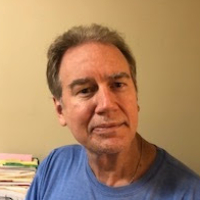



Dr. Jason Reasor
LPC
Alabama - 4 yrs exp


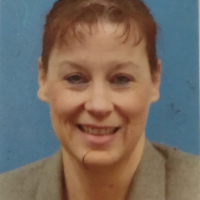

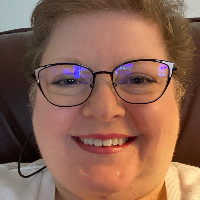






Savannah O'Berry
LPC
Alabama - 6 yrs exp




How bipolar therapy typically works for Alabama residents
When you begin therapy for bipolar concerns in Alabama, the process usually starts with an intake session where you and the clinician review your history, current concerns, and treatment goals. That initial conversation helps the therapist understand patterns in mood, sleep, energy, and functioning so they can suggest a focused plan. Therapy for bipolar concerns often blends education about mood patterns with practical skills to manage mood shifts, communication strategies to repair relationships, and planning for times of increased risk. Many clinicians work collaboratively with prescribers when medication is part of your overall plan, and you should expect coordination when that collaboration is needed.
Your experience will depend on the clinician's approach and the format you choose. Some providers emphasize evidence-informed interventions such as cognitive behavioral techniques, interpersonal approaches that target relationship and role stresses, and skills training to help regulate daily routines. Other clinicians add approaches that address co-occurring anxiety, trauma, or substance use. The pace of therapy is tailored to you - some people start with weekly sessions and move to less frequent visits as stability improves, while others continue regular meetings to manage long-term patterns.
Finding specialized help for bipolar in Alabama
To find a clinician who understands bipolar mood patterns, begin by looking for providers who list mood disorders or bipolar disorder as a specialty. Licensing type can matter depending on the services you need. Psychiatrists can prescribe and adjust medication, psychologists can offer assessment and psychotherapy, and licensed counselors and social workers often bring substantial psychotherapy experience and community-based resources. If you live outside a major city, you may want to prioritize clinicians who offer telehealth or who travel between offices to reduce travel burden.
Searching within major population centers can expand your options. In Birmingham you are likely to find clinicians with experience in academic settings and specialty clinics. Montgomery offers a range of community-based clinicians who often understand state systems and family needs. Huntsville has clinicians who work with tech-driven scheduling and telehealth options that suit busy lives. If you live in Mobile or Tuscaloosa, you may find clinicians who combine outpatient therapy with strong ties to community resources. Wherever you are in Alabama, check credentials, read clinician descriptions, and consider contacting a few providers to ask about their experience with bipolar mood patterns and the kinds of supports they offer.
What to expect from online therapy for bipolar
Online therapy in Alabama can provide access to clinicians whether you live in a city or a rural area. When you choose online sessions, expect a similar therapeutic focus to in-person care, with adaptations for the virtual format. Sessions are usually conducted by video, and many therapists use secure scheduling portals for intake forms and notes. You should ask how a clinician handles emergencies, how they coordinate with prescribers or local services if you need in-person care, and what technology you will need to participate comfortably.
Online sessions can be convenient for people whose schedules or transportation options make frequent in-office visits difficult. You will want to choose a clinician who is licensed to practice in Alabama and who can meet with you from their location to yours in accordance with state rules. During the first few sessions, you will get a sense of how the therapist sets goals, tracks mood changes over time, and supports you between sessions if needed. Some clinicians offer supplementary resources like mood tracking tools, worksheets to practice skills, and short check-in messages between sessions when clinically appropriate.
Common signs that someone in Alabama might benefit from bipolar therapy
You may consider seeking bipolar-focused therapy if you notice pronounced shifts in mood or behavior that affect your daily life. Signs that therapy could help include episodes where you feel unusually energetic, talkative, or impulsive and those periods are followed by times when you feel very low, have little energy, or lose interest in activities you usually enjoy. Sleep patterns that swing from very little sleep to sleeping much more than usual, changes in appetite, or difficulty maintaining relationships and work performance are also reasons to connect with a clinician.
People often notice that mood swings cause strain with family, at work, or in school, and that these shifts make it harder to keep a steady routine. If you are experiencing thoughts about harming yourself or you feel you might act on risky impulses, it is important to reach out to local emergency services or a crisis resource in your area right away. Therapy is not just for moments of crisis - it can also help you build long-term strategies to reduce disruption, improve daily routines, and strengthen relationships.
Tips for choosing the right bipolar therapist in Alabama
Choosing a therapist is a personal decision. Start by considering what matters most to you - clinical experience with bipolar mood patterns, therapeutic style, session format, or availability for evening or weekend appointments. Ask about a clinician's experience with mood stabilization strategies, how they handle coordination with prescribers, and whether they have worked with co-occurring conditions like anxiety or substance concerns. It can be helpful to request a brief consultation call to get a feel for the therapist's approach and whether you feel comfortable with their communication style.
Location and logistics are practical elements to weigh. If you live in or near Birmingham, Montgomery, Huntsville, Mobile, or Tuscaloosa, you may prefer clinicians who offer in-person appointments in addition to online options. If travel is a barrier, prioritize clinicians who have reliable telehealth setups. Consider insurance and payment options as well - many clinicians accept insurance, offer sliding scale fees, or provide payment plans. You should also ask about session length, frequency recommendations, and how they monitor progress over time.
Questions to ask prospective therapists
When you contact a therapist, asking direct questions can clarify whether they are a good fit. You might ask how long they have worked with people who experience mood swings, what approaches they commonly use, how they handle medication collaboration, and what a typical course of therapy looks like. It is perfectly reasonable to ask about how they handle crises and what supports are recommended in your community. The answers to these questions will help you decide whether to schedule a full intake.
Preparing for your first sessions
Before your first full session, gather any relevant medical records, medication lists, and notes about mood patterns you have tracked. Bringing a rough timeline of mood highs and lows can speed up assessment and allow you and the clinician to prioritize goals. Think about immediate concerns you want to address and longer-term outcomes you hope to reach. If you are working with a prescriber, ask about coordinating care so everyone involved has a shared plan.
Therapy is a collaborative process, and it may take time to see the effects of new strategies. Expect the therapist to offer homework or practice exercises you can use between sessions, and to adjust the plan as your needs change. If your first match does not feel right, it is okay to try a consultation with another clinician. Finding the right therapeutic relationship can make a meaningful difference in how comfortable you feel discussing difficult topics and in how effectively you and your clinician can work toward stability and improved functioning.
Local considerations and ongoing support
Alabama has a mix of urban and rural communities, and access can vary. If you live in a rural area, online therapy can bridge geographic gaps, while city residents may find more in-person specialty options. Community resources, peer-led support groups, and state services can complement therapy by offering social supports, education, and practical assistance. When you look for care, consider how a clinician connects you to these broader supports and whether they help build a plan for sustained wellness that fits your life in Alabama.
Finding the right bipolar-focused clinician is a process, but taking the time to research, ask questions, and trust your instincts will help you connect with a therapist whose approach aligns with your needs. With thoughtful selection and collaboration, therapy can be an important part of managing mood patterns and improving daily functioning across work, family, and community life.