Find an Avoidant Personality Therapist in Alabama
This page highlights therapists in Alabama who work with avoidant personality concerns. Browse the listings below to compare specialties, methods, and availability to find the right match for your needs.


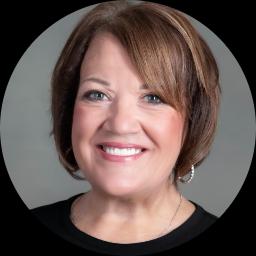
Dr. Jason Reasor
LPC
Alabama - 4 yrs exp


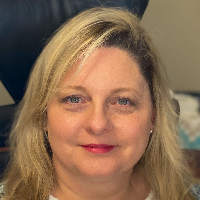
Savannah O'Berry
LPC
Alabama - 6 yrs exp












How avoidant personality therapy works for Alabama residents
If you are exploring therapy for avoidant personality patterns in Alabama, you will find a range of approaches designed to help you build confidence, reduce avoidance, and strengthen relationships. Therapy typically begins with an assessment of what matters most to you - patterns of avoidance, reactions to criticism, or difficulty forming close connections - and a collaborative plan is created to address those goals. Across practices you will see common threads - identifying unhelpful thoughts, practicing new ways of relating, and taking gradual steps toward social engagement - but the pace and emphasis will reflect your preferences and life context.
Therapists in cities such as Birmingham, Montgomery, and Huntsville often work with clients from both urban neighborhoods and smaller surrounding communities, which can shape how treatment is planned. In urban settings there may be more options for specialty-trained clinicians, while in rural areas therapists often combine several approaches to meet varied needs. Wherever you are in Alabama, the therapy process aims to give you practical tools to navigate relationships and social situations more comfortably.
Therapy approaches you might encounter
You may hear about cognitive behavioral techniques that help you recognize and challenge self-critical beliefs and test out new behaviors in manageable steps. Schema-focused work looks at long-standing patterns that underlie avoidance and offers corrective experiences in the therapy relationship. Some therapists use acceptance-based strategies to help you tolerate uncomfortable feelings while still moving toward meaningful activities. Interpersonal and psychodynamic traditions explore how past relationships shaped your expectations and provide opportunities to try different ways of connecting. Many clinicians combine elements from several schools to craft a plan that fits your goals and temperament.
Finding specialized help for avoidant personality in Alabama
When you search for a therapist in Alabama who understands avoidant personality patterns, start by looking for clinicians who list experience with social anxiety, interpersonal avoidance, or related concerns. Profiles often include the therapist?s educational background, licensure, areas of focus, and the approaches they use. If proximity is important, you can focus on options in and around major hubs like Birmingham, Montgomery, or Huntsville. These cities offer more in-person choices and access to clinics affiliated with universities or hospitals.
If you live outside a metro area, look for therapists who offer flexible scheduling or teletherapy to reduce travel barriers. Community mental health centers, university training clinics, and private practices each bring different advantages - training clinics may offer lower fees, while private clinicians may provide specialty training in avoidant personality work. You can also check whether a therapist accepts your insurance or offers sliding-scale fees to make treatment more affordable. Taking a first call or brief intake conversation can help you assess fit before committing to sessions.
What to expect from online therapy for avoidant personality
Online therapy has become a common option for people throughout Alabama, including those in smaller towns where in-person specialty care is limited. When you choose online sessions, you can expect a similar therapeutic structure to in-person work - an initial assessment, a shared treatment plan, and regular sessions focused on your goals. Many clients find that starting with online sessions can feel less intense than meeting face to face, which can be helpful if avoidance or social anxiety makes in-person meetings challenging.
In online therapy you will likely use video or phone sessions and be given exercises to practice between appointments. These tasks are designed to help you apply new skills in real-world situations, such as gradually increasing social contact or testing assumptions about rejection. If you later decide to switch to in-person work, many therapists can accommodate that change, especially if they are based in larger Alabama cities where hybrid options are available. Always confirm a clinician?s license and whether they offer services to residents in your area before starting, so you know what to expect about scheduling and coverage.
Common signs that you might benefit from avoidant personality therapy
People seek help for avoidant personality-related concerns for many reasons. You might notice that you avoid social events, workplace interactions, or dating opportunities because you fear criticism or rejection. You may feel lonely despite wanting close relationships, or you might decline promotions or new roles because of intense worry about being judged. A pattern of low self-esteem combined with hypersensitivity to perceived disapproval can make everyday interactions feel risky and exhausting.
If you find that avoidance limits your choices, causes distress, or interferes with relationships, therapy can provide a structured space to explore those patterns. Therapy may also be helpful if you struggle with persistent self-critical thoughts that affect your mood and functioning. Recognizing these signs is a useful first step - from there you can look for a clinician who understands both the emotional elements and the practical skills needed to broaden your life options.
Tips for choosing the right therapist for this specialty in Alabama
Choosing a therapist is a personal decision and a practical one. Start by reviewing profiles to identify clinicians who explicitly mention experience with avoidant patterns, social anxiety, or interpersonal difficulties. Look for information about their training and the therapies they use, and consider whether you prefer a therapist who emphasizes skill-building, exploration of past relationships, or a combination. Reading a short bio can give you a sense of tone and values, which matters for feeling comfortable in sessions.
Think about logistics that matter to you - whether you want in-person sessions in a city like Birmingham or the convenience of online appointments if you live farther away. Ask about session length, frequency, fees, and insurance participation during an initial call. It is reasonable to inquire about how the therapist approaches gradual exposure or relationship-focused work so you can get a sense of how treatment would progress. You should also consider cultural and identity factors; therapists who share or are knowledgeable about your background can offer more attuned support.
What to ask in an initial conversation
When you contact a prospective therapist, a few focused questions can help you decide whether to move forward. You might ask about their experience working with avoidant personality patterns and what a typical therapy plan looks like. Asking how they measure progress - whether through goal reviews, symptom changes, or relationship improvements - can clarify expectations. It is also helpful to discuss practical matters like cancellation policies, how they handle crises, and how flexible they are with scheduling. An initial conversation can reveal whether you feel heard and understood, which is one of the most important indicators of fit.
Finding the right fit and taking the next step
Therapy for avoidant personality patterns is a collaborative process that focuses on your goals and the pace that feels manageable for you. Whether you choose a clinician in Birmingham, Montgomery, or Huntsville, or prefer an online option that fits your schedule, the right match will be someone who listens, explains their approach clearly, and offers concrete steps you can try between sessions. You do not need to have everything figured out before reaching out; an initial consultation is meant to answer your questions and help you decide whether to begin.
Take your time comparing profiles, consider practical factors like location and insurance, and trust your sense of rapport during the first contacts. When you are ready, scheduling a consultation is a straightforward way to begin exploring therapy and to find a path that helps you move toward more confident, connected living in Alabama.