Find an Autism Therapist in Alabama
This page highlights autism therapists who serve communities across Alabama, with options for in-person and online sessions. Browse the therapist listings below to compare specialties, approaches, and locations and find a match that fits your needs.



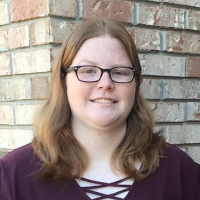
Savannah O'Berry
LPC
Alabama - 6 yrs exp












How autism therapy works for Alabama residents
If you are exploring autism therapy in Alabama, you will find care that blends evidence-informed approaches with practical supports for daily life. Therapy often includes developmental strategies, behavioral interventions, communication supports, and coordination with schools and caregivers. Sessions may happen in clinics, community centers, schools, or through remote appointments, and many providers focus on goals that matter to you - improving communication, strengthening social skills, reducing anxiety around transitions, or supporting independence.
In Alabama, services can be delivered by a range of professionals who bring different expertise. Board certified behavior analysts typically provide applied behavior analysis focused on skill building and behavior plan development. Licensed psychologists and counselors may offer assessment, therapy for co-occurring concerns such as anxiety or depression, and guidance for families. Speech-language pathologists support communication and pragmatic language, while occupational therapists address sensory needs and daily living skills. Each discipline contributes a distinct perspective, and integrated care often yields the most meaningful progress.
Finding specialized help for autism in Alabama
Finding the right specialist starts with identifying the priorities for care. If you or your family member needs targeted behavioral supports, searching for providers with ABA experience is sensible. If communication is the primary concern, look for clinicians with speech and language expertise. Many Alabama therapists include descriptions of their training and typical client profiles on their directories, which can help you narrow options before making contact.
Geography plays a role in access. Larger cities such as Birmingham, Huntsville, Montgomery, Mobile, and Tuscaloosa tend to have more clinicians and multidisciplinary clinics, while rural areas may have fewer in-person options. If you live outside a major city, remote services can expand your choices and reduce travel time. When you reach out to a therapist, ask about their experience working with individuals in different age ranges and settings, and whether they collaborate with schools or other community providers in Alabama.
What to expect from online therapy for autism
Online therapy can be an effective complement to in-person services, especially for families managing long drives or scheduling challenges. When you use telehealth, the therapist typically adapts activities to the home environment and coaches caregivers to implement strategies between sessions. Sessions often focus on communication practice, parent training, behavior planning, and social skills coaching. Technology requirements are usually modest - a stable internet connection and a device with video capability - and therapists will guide you through any platform steps when you schedule.
Online work can also help therapists observe how daily routines, triggers, and supports function in your natural environment. That insight can lead to practical recommendations you can try immediately. Some providers offer a hybrid approach, combining occasional in-person assessments with regular online follow-ups. If you prefer in-person visits, look for clinicians in Birmingham or Huntsville where clinic-based services are more plentiful. If travel is difficult, consider therapists who specialize in remote care and have a track record of adapting interventions for home use.
Common signs that someone in Alabama might benefit from autism therapy
People seek autism therapy for a variety of reasons, and you might notice early signs in childhood or recognize needs later in life. Common indicators include differences in social communication such as challenges initiating or sustaining conversations, difficulties with back-and-forth social play, or trouble interpreting nonverbal cues. Repetitive behaviors and restricted interests can appear as strong focus on specific topics, ritualized routines, or repetitive movements. Sensory sensitivities - strong reactions to lights, sounds, textures, or crowded environments - are also frequent and can affect daily functioning.
Beyond core features, you might pursue therapy to address associated concerns that impact quality of life. Those include anxiety about social situations, difficulty with transitions, sleep challenges, or struggles with planning and organization. If a child is having repeated school difficulties, or an adult is finding it hard to maintain work routines or social relationships, a comprehensive evaluation can clarify strengths and needs. In Alabama, early intervention and school-based supports may be available, and a therapist can help you understand how clinical services can work alongside educational plans governed by federal and state guidelines.
Tips for choosing the right therapist in Alabama
Choosing a therapist is a personal decision that should consider both professional qualifications and the working relationship. Begin by looking for clinicians whose training aligns with your goals - for example, a board certified behavior analyst for ABA interventions or a licensed speech-language pathologist for communication targets. Read provider profiles to learn about their experience with different age groups and associated conditions. You can also ask how they measure progress and how they involve caregivers or educators in planning.
Practical questions matter as much as credentials. Ask about appointment availability and waitlists, whether they accept your insurance or offer payment options, and what types of sessions they provide - in-person, online, or a mix. In larger metro areas like Birmingham and Montgomery you may have more choices and shorter wait times, while in smaller communities you might need to plan for travel or prioritize clinicians who offer telehealth. In all cases, inquire about how therapy will be coordinated with school supports, so plans are consistent across settings.
When you contact a therapist for the first time, a brief consultation call can help you gauge fit. During that conversation, notice whether the clinician listens to your concerns, explains their approach in clear terms, and offers specific examples of strategies they use. A therapist who suggests measurable goals and a timeline for reviewing progress can help you feel confident that sessions will focus on meaningful changes.
Navigating systems and supports in Alabama
Therapy is often one piece of a broader support network. You can expect to work with schools, pediatricians, and community agencies to create a cohesive plan. Early childhood programs and special education services under federal law provide pathways to supports in school settings, and therapists commonly collaborate on individualized education plans. If you are seeking services for an adult, vocational and community programs may offer complementary resources to support employment and independent living goals.
Insurance coverage and funding sources vary, so it helps to ask each provider how they handle billing and what documentation they provide for claims or school coordination. Some clinicians offer sliding scale fees or can suggest local resources and support groups. Connecting with local advocacy organizations or family networks can also point you toward therapists experienced in navigating the Alabama service system and local specialists in cities such as Huntsville or Mobile.
Taking the next step
When you are ready to begin, use the listings above to review profiles and reach out with specific questions about experience, approach, and availability. Plan to describe the person seeking therapy - age, core challenges, and any prior evaluations or school plans - so a clinician can suggest how they might help. Trust your instincts about fit; a therapist who communicates clearly, involves you in goal-setting, and respects your daily realities will be better positioned to support meaningful progress. Whether you start with an in-person evaluation in Tuscaloosa or a telehealth session with a clinician who serves Montgomery, there are pathways to care across Alabama that can be tailored to your needs.