Find a Licensed Clinical Social Worker (LCSW) Therapist
A Licensed Clinical Social Worker (LCSW) is a mental health professional who has completed advanced social work training and clinical supervision to provide psychotherapy and psychosocial support. Browse verified LCSW therapists below to compare credentials, specialties, and availability.



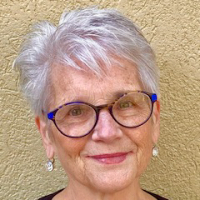






Stephanie Collins
LCSW
Wisconsin - 10 yrs exp










What does Licensed Clinical Social Worker (LCSW) mean?
When you look for a therapist with the LCSW credential you are seeking someone who has both academic training in social work and additional clinical experience focused on mental health practice. LCSW stands for Licensed Clinical Social Worker, a professional license issued by state boards after a period of supervised practice and successful completion of required exams. The social work background gives these clinicians a foundation in human behavior, social systems, policy, and community resources, while the clinical focus prepares them to assess and treat a wide range of emotional and behavioral concerns.
Education and training behind the credential
To become an LCSW you generally complete a master of social work degree or higher, followed by several years of supervised clinical hours under a licensed clinician. During this supervised period you develop skills in assessment, diagnosis, psychotherapy, and case management. After meeting the hour requirements you take a licensing exam specific to clinical social work in your state. Many LCSWs continue with ongoing education and professional development to maintain their license and to learn new therapy approaches or specialty practices.
What an LCSW is qualified to do compared with other license types
You may wonder how LCSWs differ from other mental health professionals. LCSWs are trained to provide psychotherapy and to assess mental health needs, and in many states they may diagnose mental health conditions. Their training places a strong emphasis on understanding the person within their relationships and environments, so they often incorporate social, cultural, and systemic factors into treatment. This gives them particular strengths in coordinating care, connecting you with community supports, and addressing social determinants that affect well-being.
Compared with licensed professional counselors or marriage and family therapists, LCSWs often bring more training in case management and systems-level interventions. Compared with psychologists, LCSWs typically have a social work rather than a doctoral training model, although many LCSWs bring extensive clinical experience. Psychiatrists are medical doctors who can prescribe medication; LCSWs do not prescribe medication but frequently work in collaboration with prescribers when medication is part of a treatment plan.
Common specialties and treatment areas for LCSW therapists
LCSWs work across many treatment areas and settings. You will find LCSWs who specialize in trauma-informed care and who use approaches that target post-traumatic stress and complex trauma. Many focus on mood disorders such as depression and anxiety, helping you develop coping strategies and address underlying relational or environmental contributors. LCSWs also frequently work with families and children, offering parenting support, family therapy, and school-related advocacy.
Other LCSWs concentrate on substance use and recovery support, integrating motivational strategies and relapse prevention with connections to community programs. In medical and hospital settings, LCSWs address adjustment to illness, end-of-life planning, and caregiver stress. Perinatal mental health, grief counseling, and services for older adults are also common areas of focus. You may find LCSWs offering specialized modalities such as cognitive behavioral therapy, dialectical behavior therapy, trauma-focused therapies, and strengths-based interventions adapted to diverse populations.
How to verify an LCSW credential
If you want to confirm that a therapist holds an LCSW, start by asking for their state license number and the name of the licensing board. Most state licensing boards maintain online directories where you can search a clinician’s name or license number to see their active status and any disciplinary records. You can also ask about the clinician’s education, the length of their supervised clinical experience before licensure, and any additional certifications or specialized training they have completed.
Professional associations and university alumni pages sometimes list clinician credentials and training histories. During an initial consultation you can ask specific questions about supervision hours, clinical populations they commonly serve, and whether they participate in continuing education relevant to your concerns. These conversations help you assess both formal licensure and fit for the kind of work you are seeking.
Benefits of choosing a LCSW therapist
Choosing an LCSW can offer practical advantages if you need help that goes beyond individual therapy. Because of their training, LCSWs often take a holistic view that considers your relationships, family, work, and community context. That perspective can be especially helpful when life stressors, systemic barriers, or social services play a role in your mental health needs. LCSWs are skilled at coordinating care with other professionals and linking you to local resources, benefits, or support programs when those elements matter for recovery and resilience.
Another benefit is the adaptability of LCSW practice. You can find LCSWs working in private practice, community clinics, hospitals, schools, and correctional settings. That breadth of experience means many LCSWs are comfortable collaborating with multidisciplinary teams and navigating complex systems on your behalf. If affordability is a concern, some LCSWs offer sliding scale fees or work in clinics that accept a range of insurance plans, which may make ongoing care more accessible.
Tips for finding the right LCSW for you
Begin by clarifying what you want from therapy - symptom relief, coping skills, support through life transitions, or help navigating systems such as schools or benefits. Use those goals to guide your search for a clinician whose specialties and experience align with what you need. Read profiles to note populations they serve, therapeutic approaches they use, and whether they list experience with issues similar to yours. Language and cultural competence matter, so look for clinicians who indicate comfort with your background or who list relevant cultural training.
Contact potential therapists for a brief consultation to get a sense of their style and whether you feel heard. Ask about session format - whether they offer in-person or remote appointments, typical session length, fees, and insurance acceptance. It is reasonable to ask how they approach treatment planning and how they measure progress. If you have a specific therapeutic preference, such as trauma-focused methods or family therapy, inquire about the clinician’s training and experience in that approach.
Finally, trust your experience. It may take a few sessions to determine whether a clinician’s approach helps you move toward your goals. If you do not feel that a therapist is a good fit, it is appropriate to seek someone whose style and expertise better match your needs. Good therapeutic relationships are collaborative, and finding the right match increases the likelihood that you will feel supported and make meaningful progress.
Next steps
Use the listings above to compare LCSW clinicians by their training, specialties, and availability. Take advantage of introductory calls to ask about licensure, treatment approaches, and practical considerations such as scheduling and fees. With the right information and an honest conversation about your goals, you can find a Licensed Clinical Social Worker who is well suited to support your mental health journey.