Find a Gujarati Speaking Therapist
Accessing therapy in your native Gujarati can help you communicate feelings and experiences with greater clarity and comfort. Browse Gujarati-speaking therapists below to find clinicians who match your cultural background and therapeutic needs.



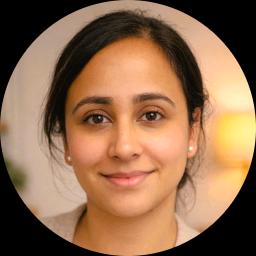
Sima Patel
NCPS
United Kingdom - 3 yrs exp







Why therapy in Gujarati matters
When you speak in the language you grew up with, your words carry more nuance, emotion, and cultural meaning. Many people find that describing complex feelings, family stories, or cultural conflicts is easier and more natural in their first language. That ease of expression can help you build trust more quickly with a clinician, and it can make it easier to explore sensitive topics without constantly searching for the right words. Choosing a therapist who speaks Gujarati can also mean that cultural references, idioms, and family dynamics are understood without lengthy explanation, which lets sessions focus more directly on what matters to you.
Language is not just a tool for communication - it shapes how you think about relationships, identity, and distress. When a therapist shares your linguistic background, you are more likely to experience therapy that resonates with the way you interpret events and emotions. That resonance can support deeper insight and more practical strategies that fit your daily life.
Emotional expression and nuance
You may notice that certain emotions or experiences are easier to name and describe in Gujarati. Words for family roles, social expectations, or religious practices often carry connotations that are difficult to translate. When you can use those original terms, you and your therapist can explore meaning and context with less risk of misinterpretation. This matters when you are working through grief, intergenerational conflict, relationship issues, or identity concerns where subtlety makes a difference.
Cultural nuances matter
Beyond vocabulary, cultural norms influence how you share information, what you consider appropriate to discuss, and how you interpret a clinician's suggestions. A Gujarati-speaking therapist who understands cultural expectations around family honor, marriage decisions, career choices, or elder care can provide guidance that feels relevant rather than foreign. That cultural attunement helps you evaluate options that are realistic and respectful of your values.
How language barriers can affect therapy outcomes
If you and your therapist do not share a common language at a fluent level, sessions can become focused on translation rather than therapeutic work. You might find yourself spending more time rephrasing thoughts or choosing words carefully, which can interrupt emotional flow. Misunderstandings may arise when idioms or culturally specific expressions are taken literally. These obstacles can slow progress, create frustration, or lead you to downplay feelings that seem hard to explain.
Even when an interpreter is available, the dynamic changes. An interpreter adds a new voice in the room and you may filter what you say because another person is present. A therapist who speaks Gujarati directly reduces that extra layer and allows for more immediate and intimate exchanges. That directness often supports better rapport, more accurate assessment of your needs, and clearer collaboration on goals.
What to expect from online therapy with a Gujarati-speaking therapist
Online therapy offers a practical way to connect with a Gujarati-speaking clinician whether they are nearby or in a different city. You can expect sessions to follow many of the same patterns as in-person therapy - a focus on building rapport, clarifying your goals, and working through emotional or behavioral patterns - but adapted to the screen. Your therapist might use talk therapy, culturally informed techniques, or evidence-based approaches tailored to your concerns. Before your first session you can often review a profile or introductory note that outlines a clinician's approach, areas of focus, and experience working with Gujarati-speaking clients.
In a typical online setting you will schedule sessions that fit your routine, and you can choose video or audio formats depending on your comfort level. Therapists who speak Gujarati will use the language to explore family history, beliefs, and everyday stressors in ways that feel familiar. Expect early sessions to include questions about your history, family dynamics, and what you hope to change. Over time you and your therapist can work on skills, insight, or problem-solving methods that translate to your daily life.
Common concerns Gujarati speakers face when seeking therapy
Cultural stigma around mental health is one of the most common barriers. You may worry about how family or community members will react if they learn you are seeing a therapist. Concerns about judgment, misunderstanding, or being labeled can delay reaching out for help. Another common obstacle is finding providers who both speak Gujarati and understand the cultural context of your concerns. Even when you find a clinician who speaks the language, they may practice a therapeutic style that feels unfamiliar to you.
Practical matters also arise - scheduling around work and family obligations, dealing with insurance or payment options, and determining whether online sessions are a good fit for your needs. You might also question whether therapy will respect religious practices and traditions that are important to you. A good clinician will welcome those questions and incorporate your values into the work.
Benefits of online therapy for Gujarati-speaking clients
Online therapy expands your options beyond local clinics and allows you to connect with therapists who might have more experience with Gujarati-speaking communities or specific cultural issues. This wider access means you have a better chance of finding a therapist who fits your language preferences and therapeutic goals. Online sessions are often more flexible, which can help if you balance long work hours, family responsibilities, or travel between cities.
For many people, the convenience of meeting from home reduces the time and stress associated with commuting, taking time off work, or arranging childcare. When you choose a clinician who communicates in Gujarati, the convenience of online care is combined with the comfort of speaking your first language, which can make it easier to stay engaged over time. Online therapy can also provide continuity if you move or travel, since many therapists can continue sessions remotely when it is appropriate and agreed upon.
Tips for choosing the right Gujarati-speaking therapist
Start by clarifying what you want from therapy - whether it is support for anxiety, family conflict, relationship issues, or life transitions. Look for therapists who list experience with the concerns you have and who note Gujarati language fluency. Read clinician profiles and introductory descriptions to get a sense of their approach and whether they discuss cultural competence. If a profile is brief, you can use an initial consultation to ask specific questions about how they integrate cultural understanding into their work.
When you contact a therapist, ask about logistics like session length, fees, and cancellation policies so you can plan around family and work. It is reasonable to ask how they handle topics that are particularly sensitive in your community and whether they have experience supporting clients with similar backgrounds. Pay attention to how you feel during a brief chat or intake session - do you feel heard, respected, and able to speak freely in Gujarati? If something does not feel like a good fit, it is okay to try a different clinician until you find someone who matches your needs.
Finally, trust that taking the step to look for a Gujarati-speaking therapist is a positive move toward finding support that respects both your language and cultural context. Therapy is a personal journey and finding the right match can make the process more meaningful and effective. With online options and clearer ways to review clinician profiles, you have more control over choosing a therapist who helps you speak and heal in the language that matters most to you.